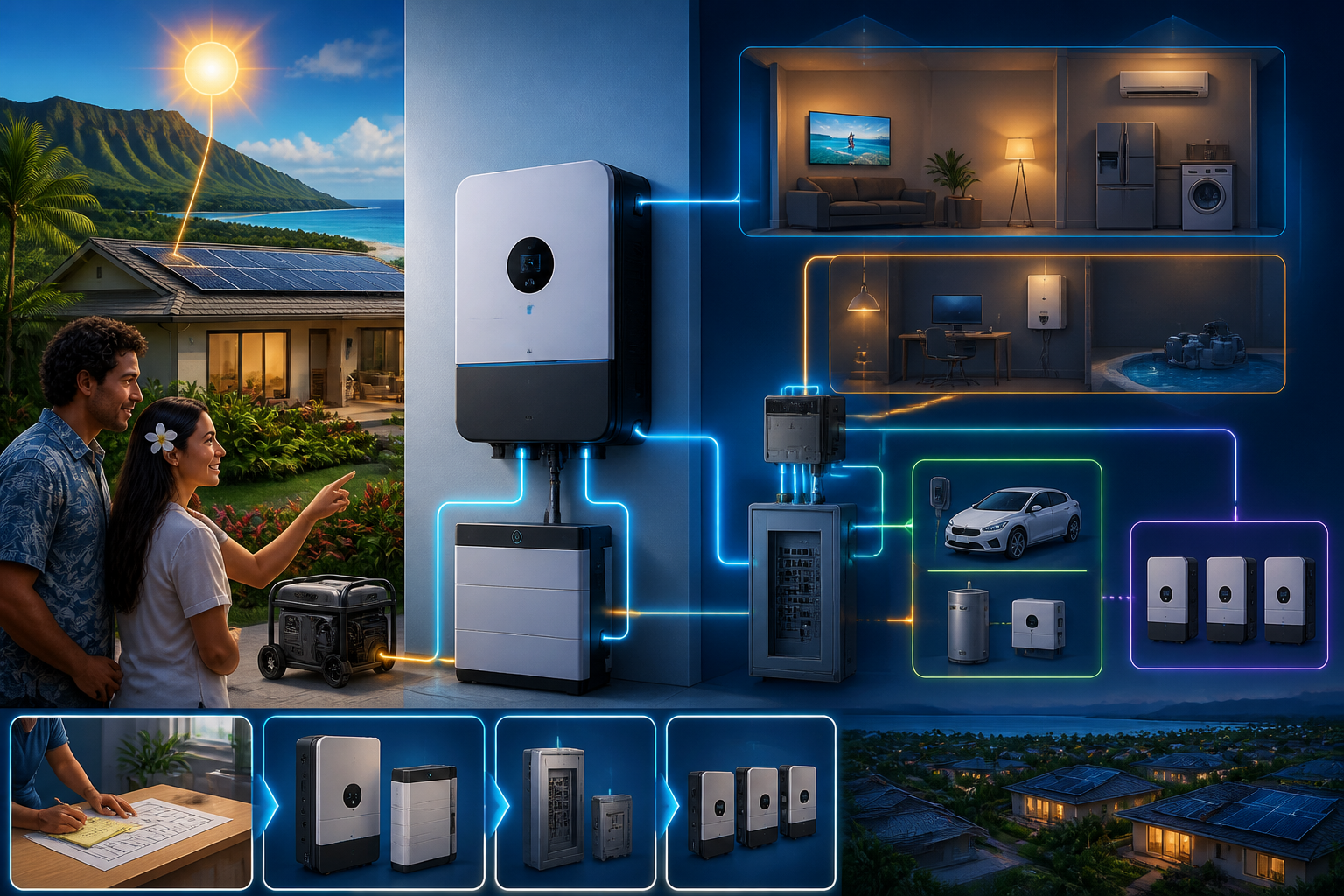
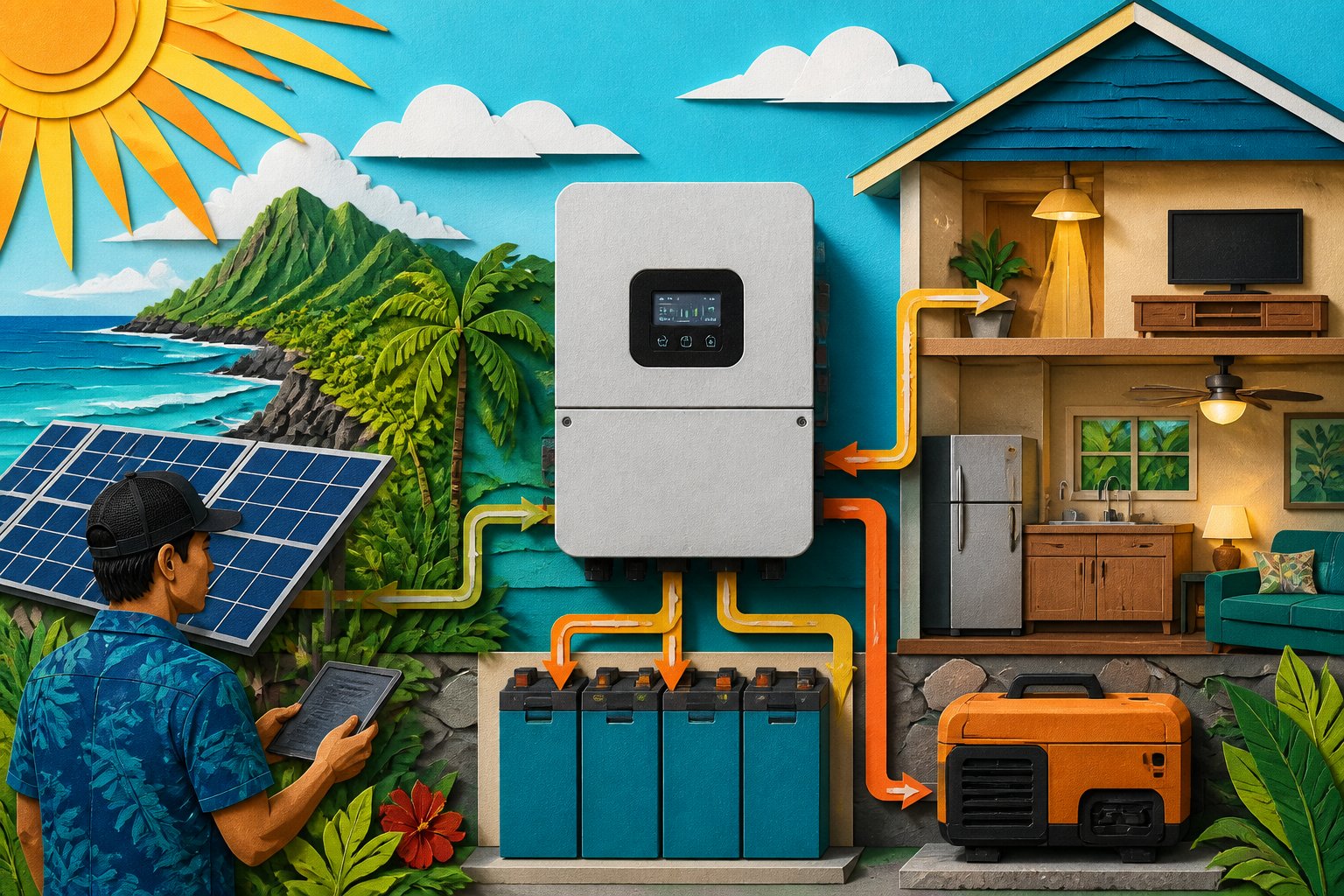
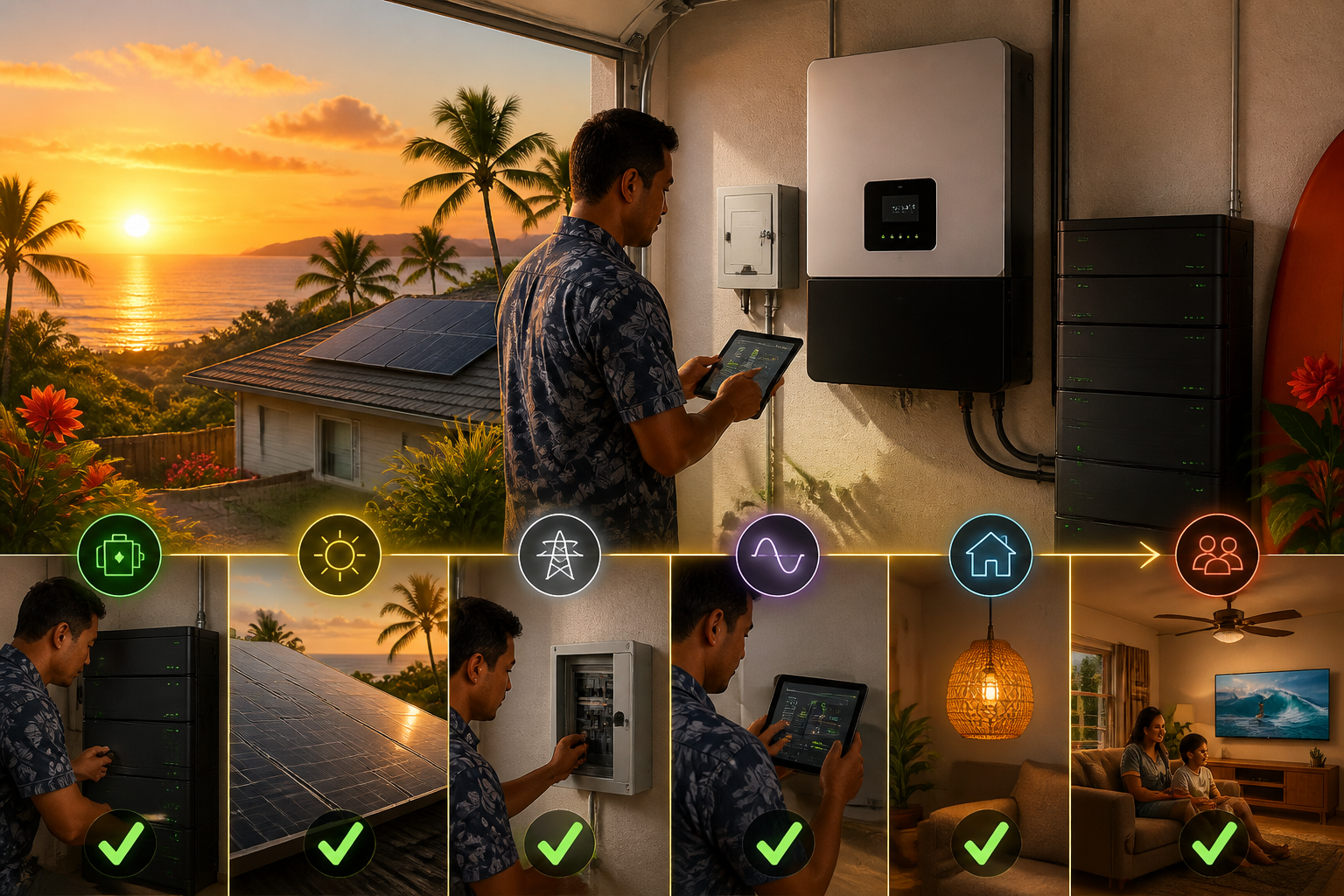
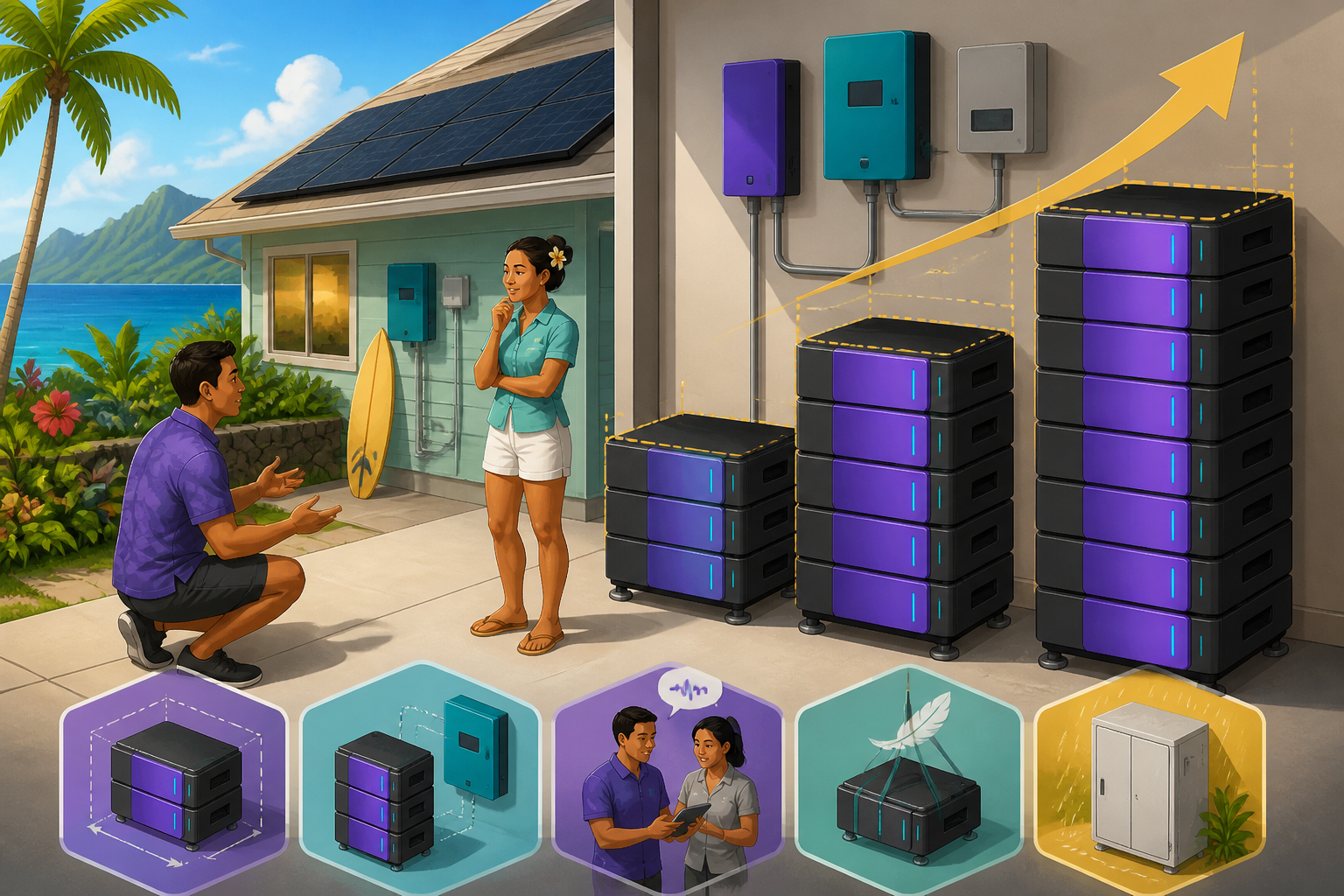
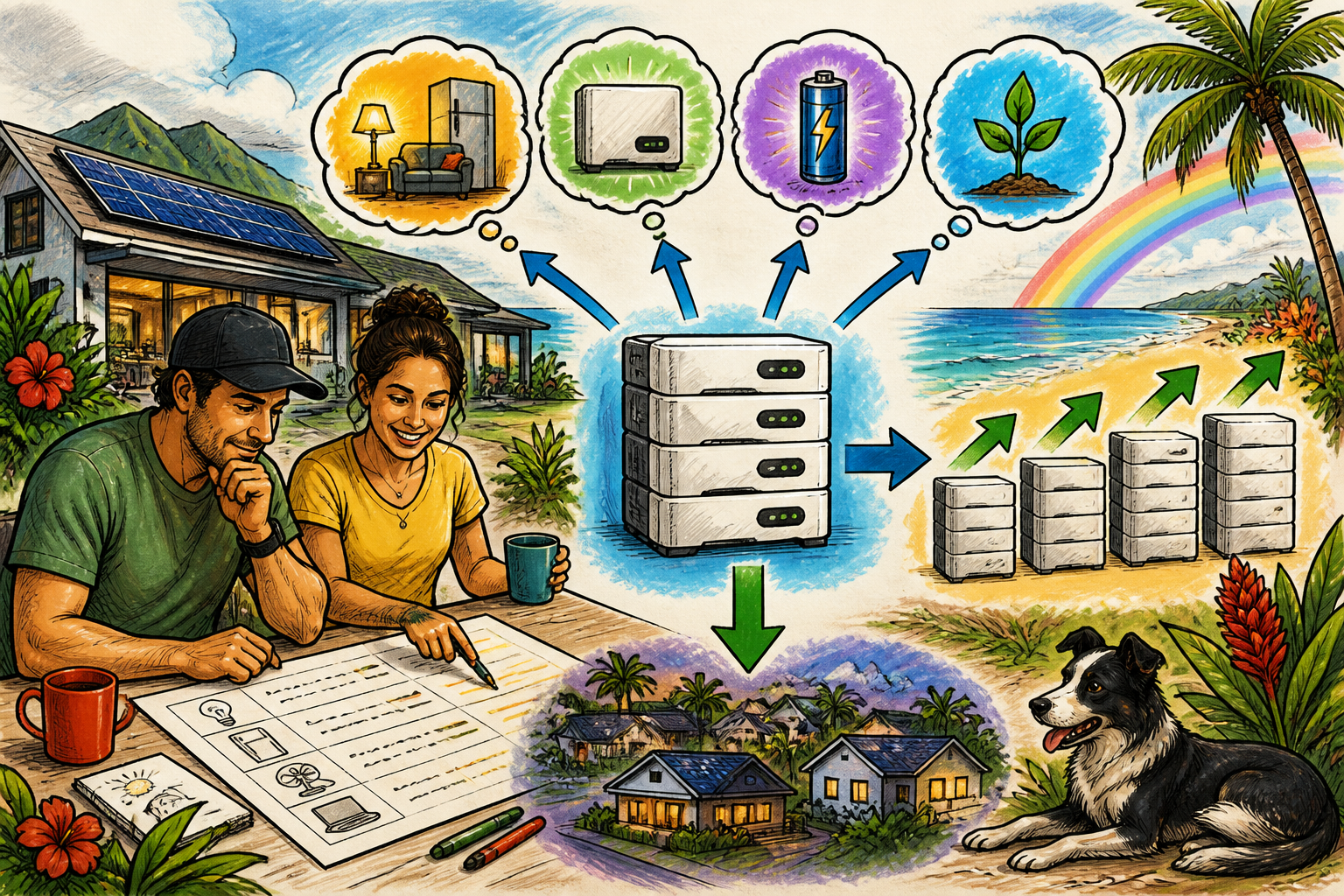
I built this library to help you understand the equipment before you spend money on it. Search the products, compare the ideas, open the manuals, and bring me the questions that matter to your system.
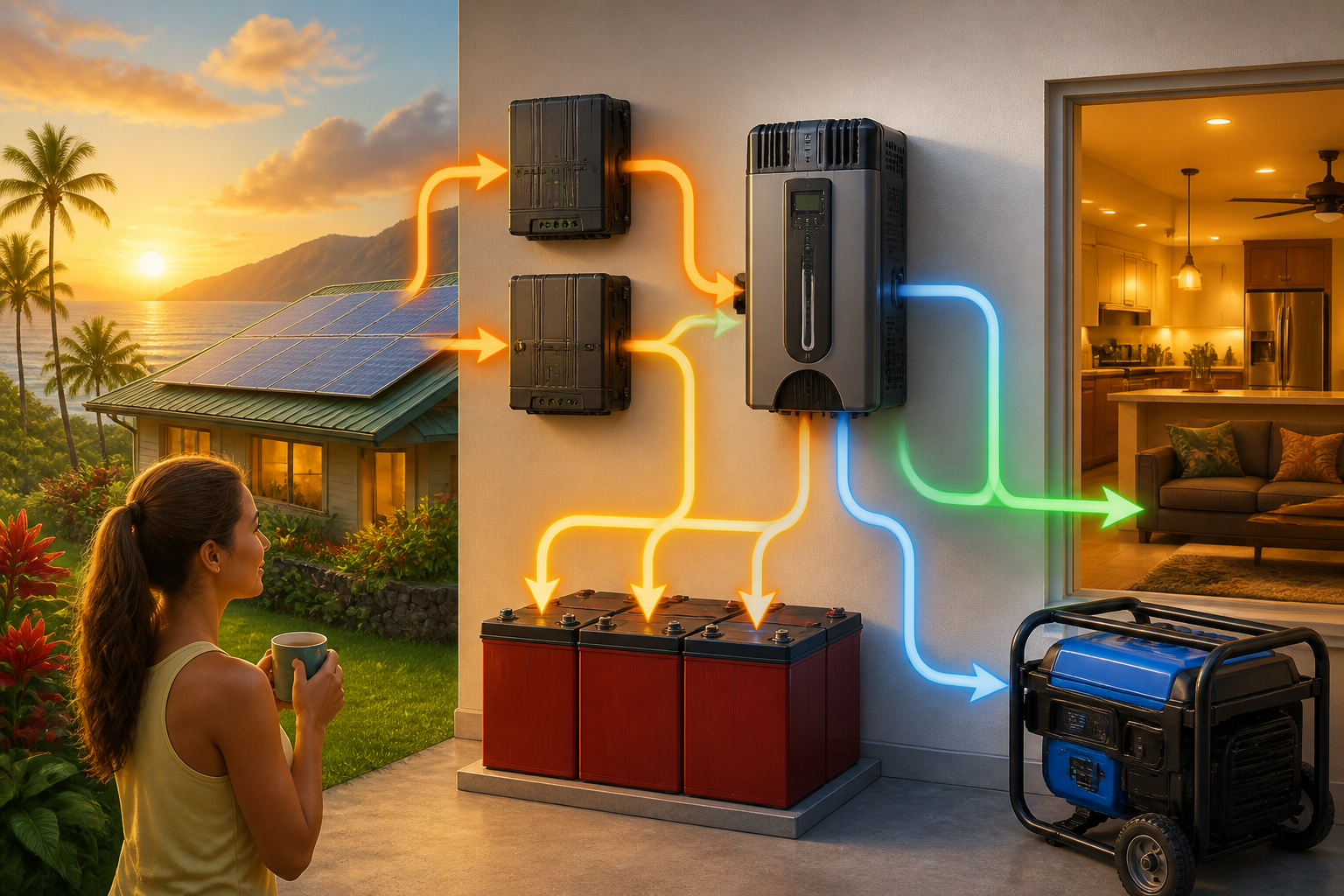
The Rosie 7048 makes sense when you want one strong battery inverter and the freedom to choose separate solar charge controllers around the array. I explain how the two charging paths work together, why the stationary RE model matters for a home, and where the Rosie E-Panel can simplify the system.
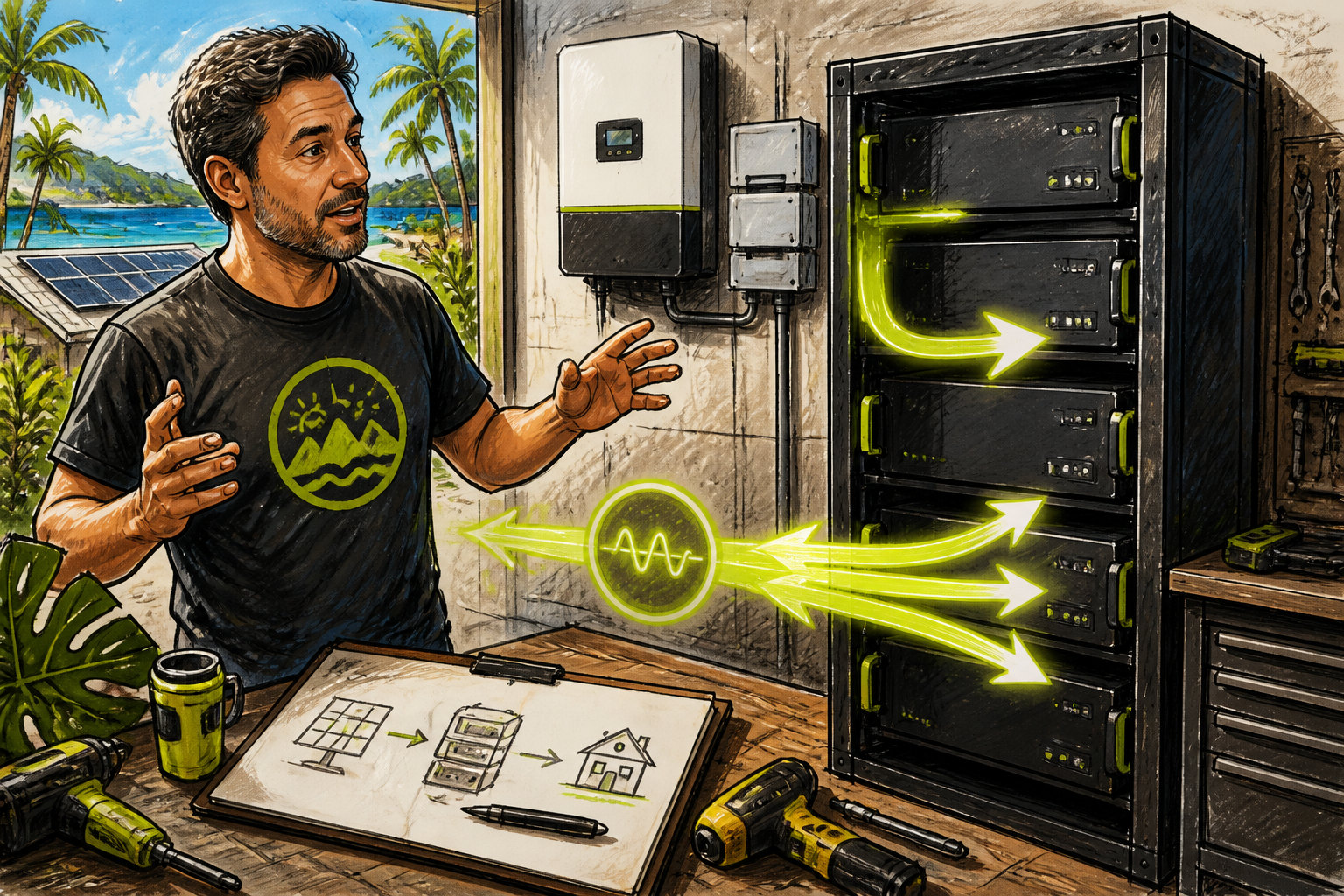
Doug explains why open-loop lithium battery operation is often a deliberate engineering choice, including real Fortress and Pytes field recommendations.
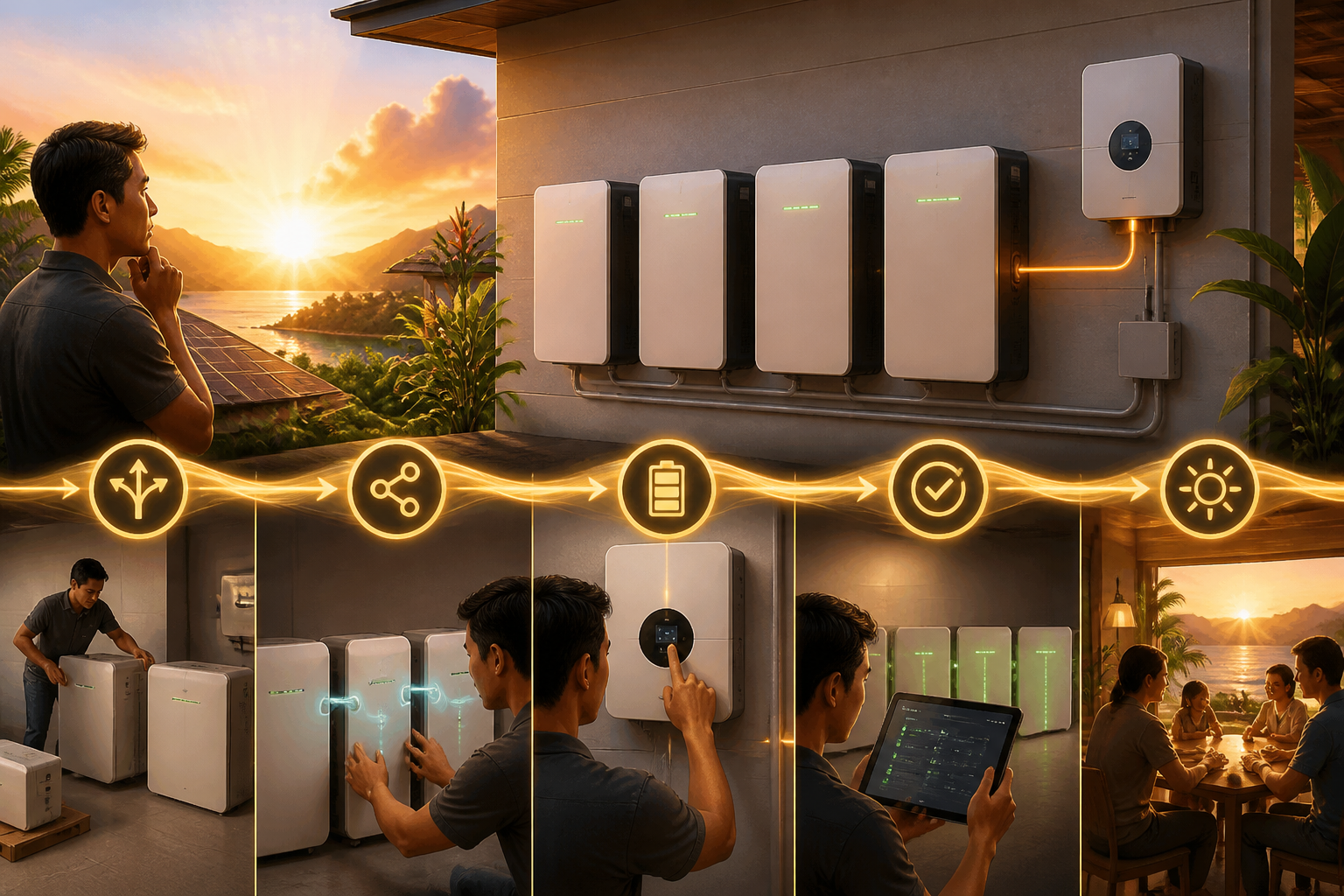
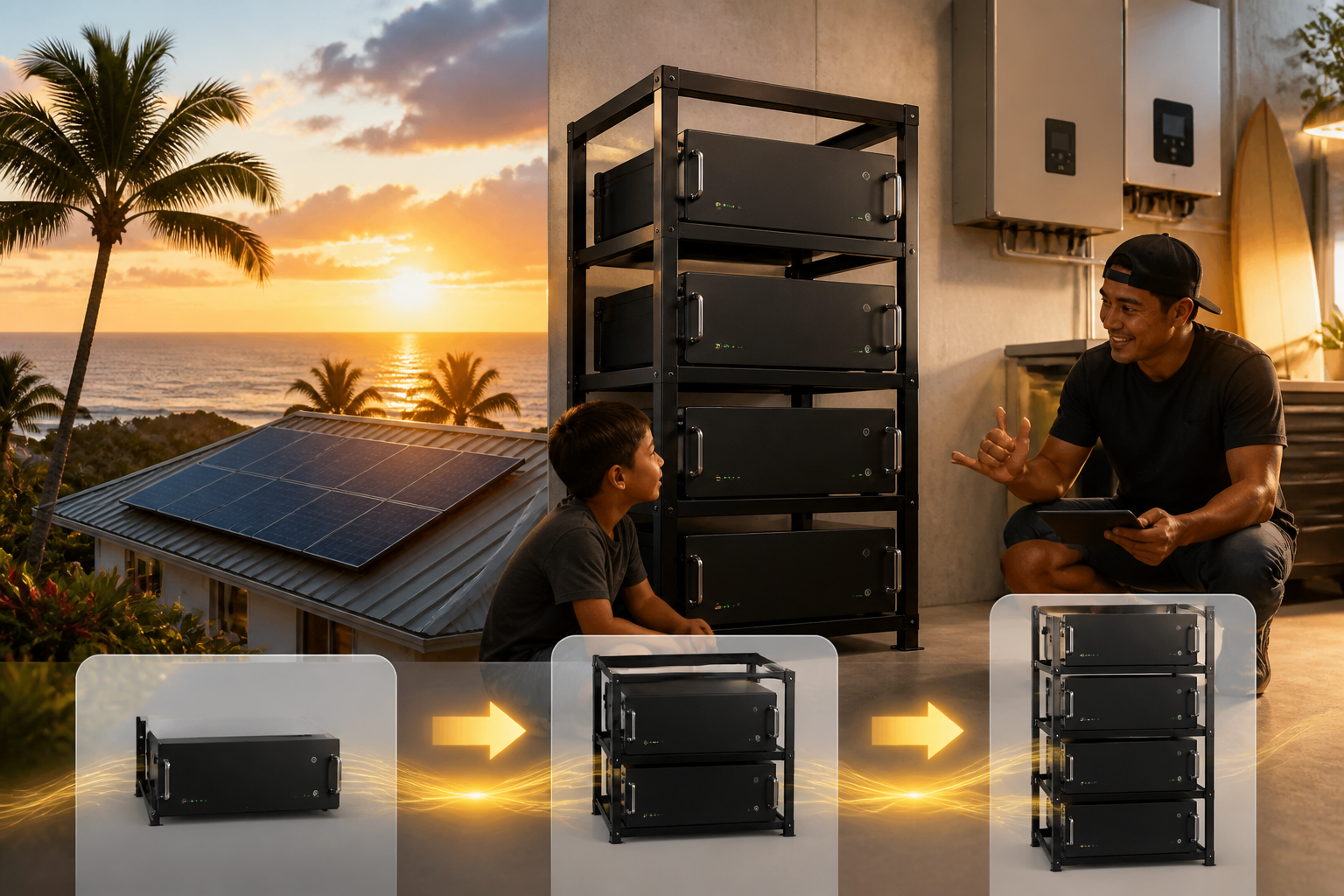
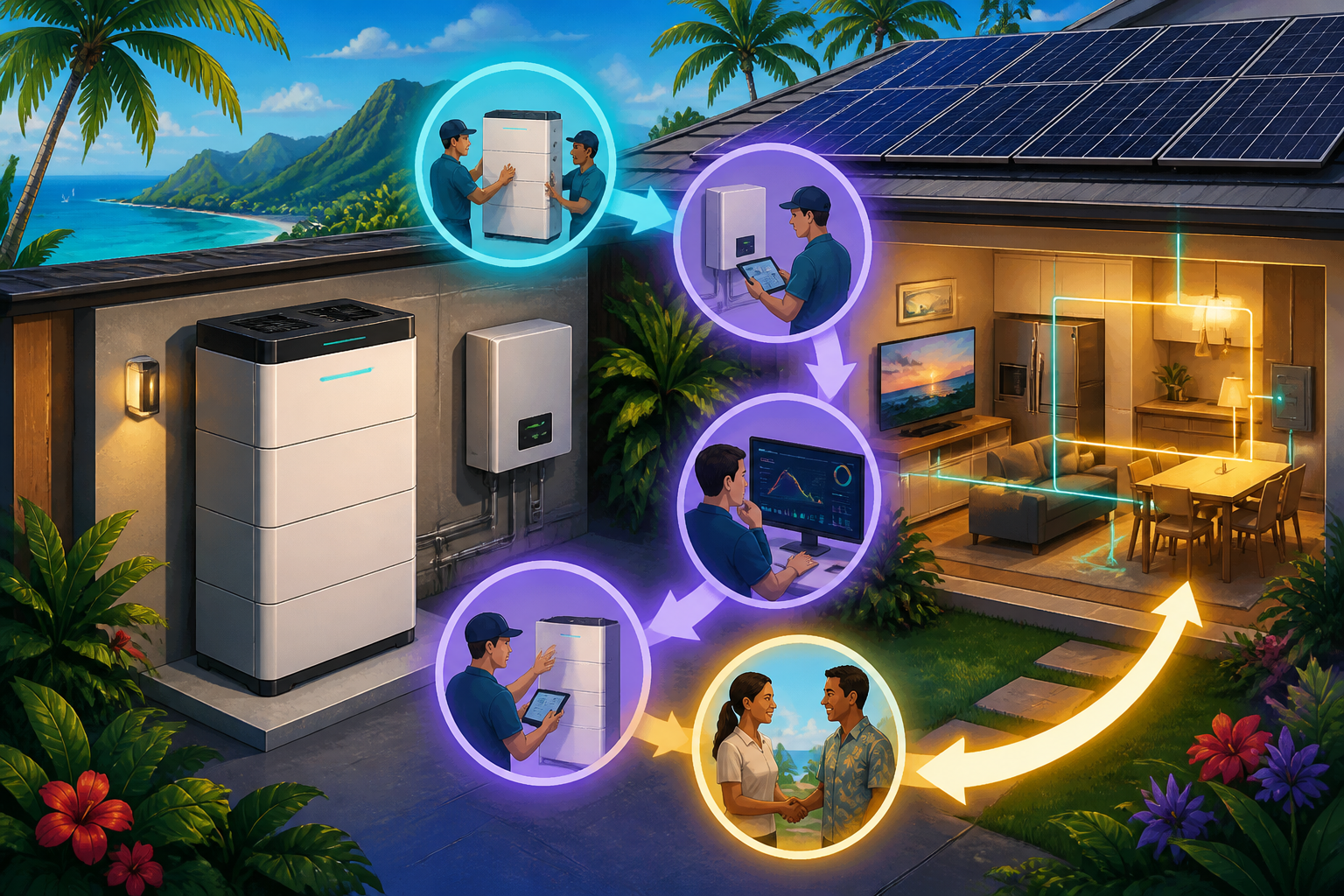
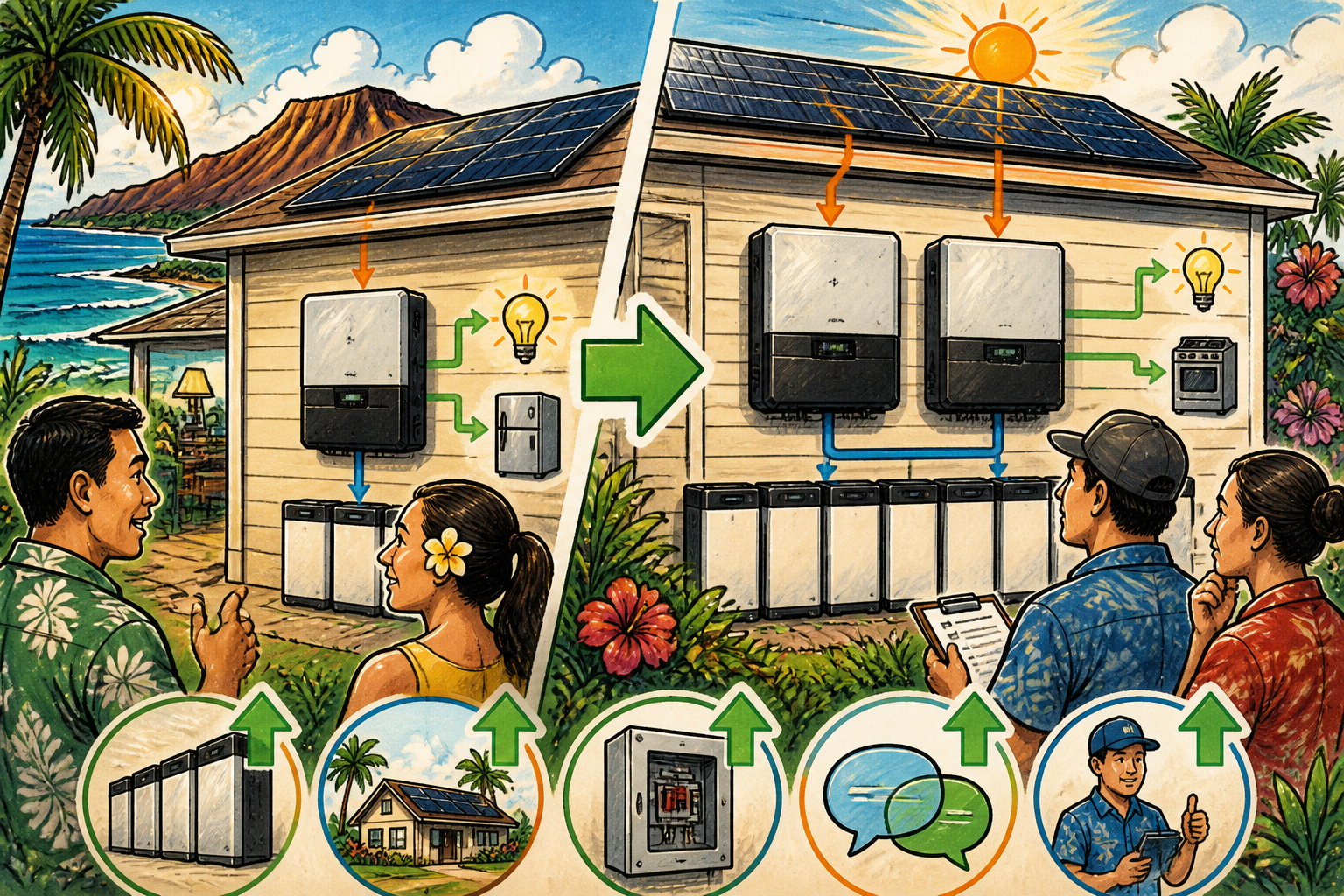
The Fortress Power eBoost 16kWh battery gives a Hawaii backup system a practical path to grow, but adding batteries is more than adding storage boxes. Doug explains how primary and secondary battery communication, inverter protocol selection, eWay choice, and commissioning turn several eBoost units into one coordinated 51.2-volt battery bank.
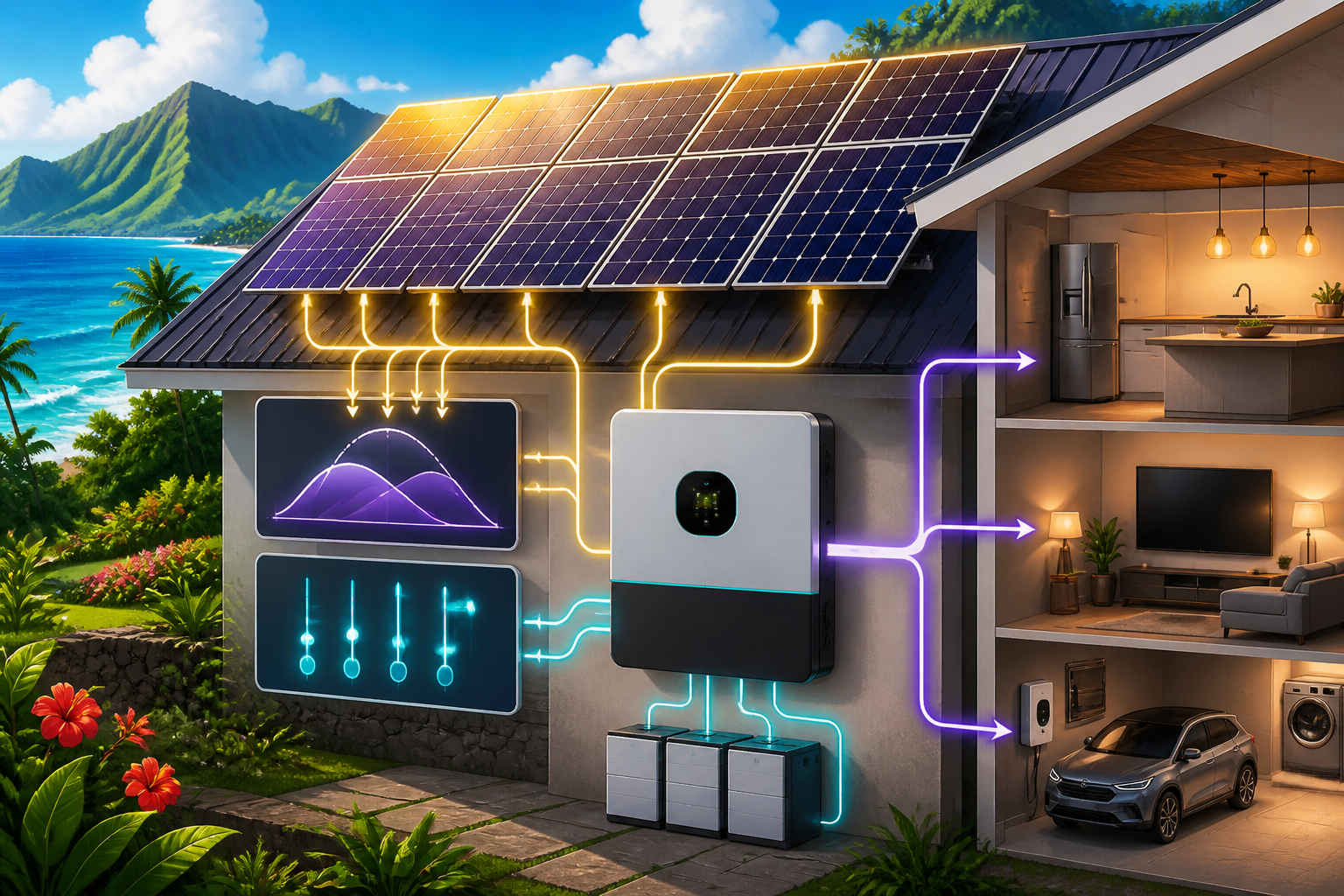
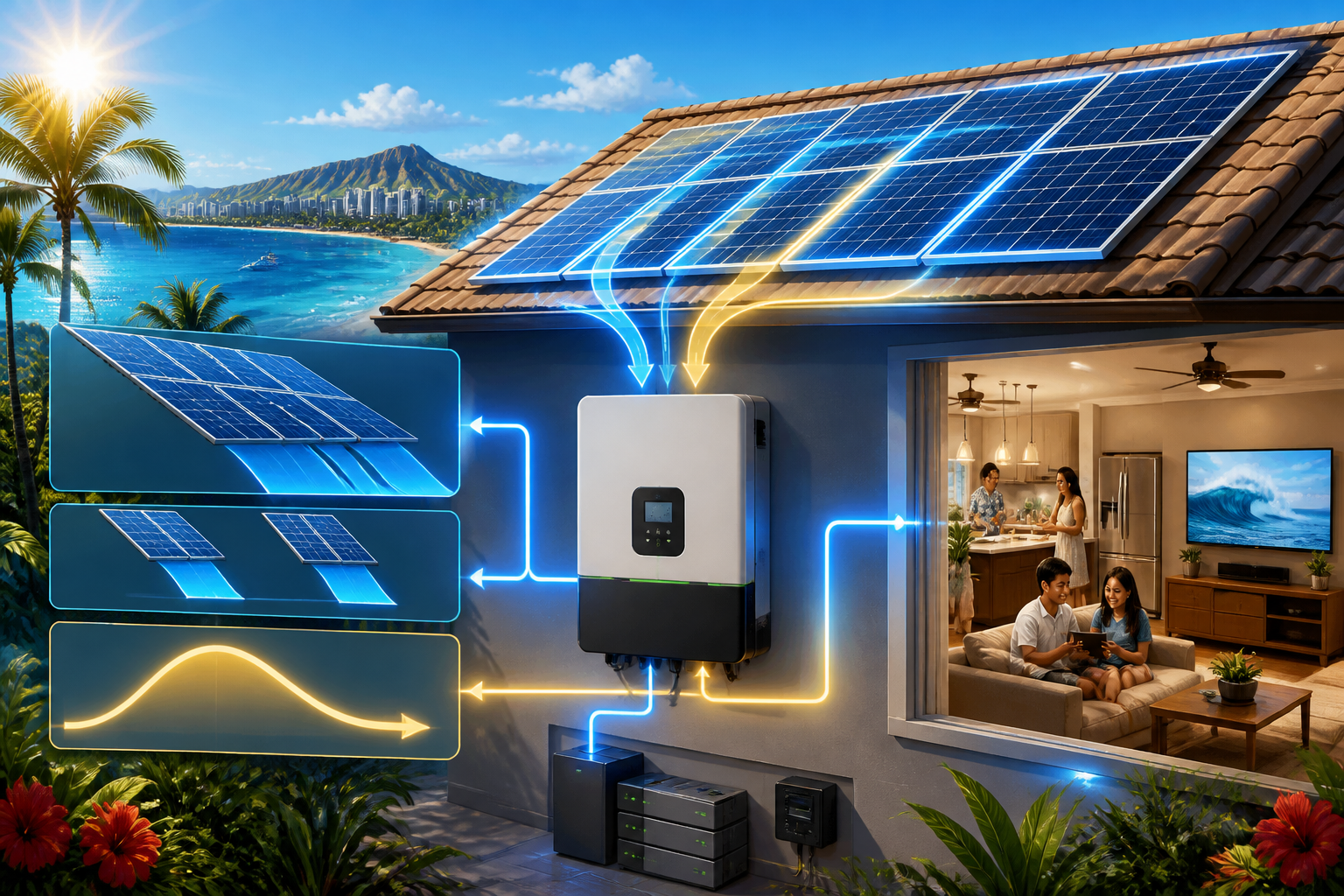
The EG4 18kPV gives a Hawaii customer room to plan up to EG4’s recommended 21 kW of DC PV input, while its 12 kW output at 240 volts, three MPPT channels, voltage window, separate current limits, and battery requirements determine the actual array design.
The Envy Duo 21 Smart Load function gives a Hawaii solar-storage system a controlled way to operate a flexible load when battery and PV conditions are favorable. Doug explains the manual’s SOC and PV thresholds, why the feature is not a solar-only guarantee, and why the generator connection must remain separate.
A FlexBOSS18 does not have to be designed as an isolated inverter. Doug explains how one unit can begin a Hawaii system, how GridBOSS changes the service layout, and what must grow with future expansion.
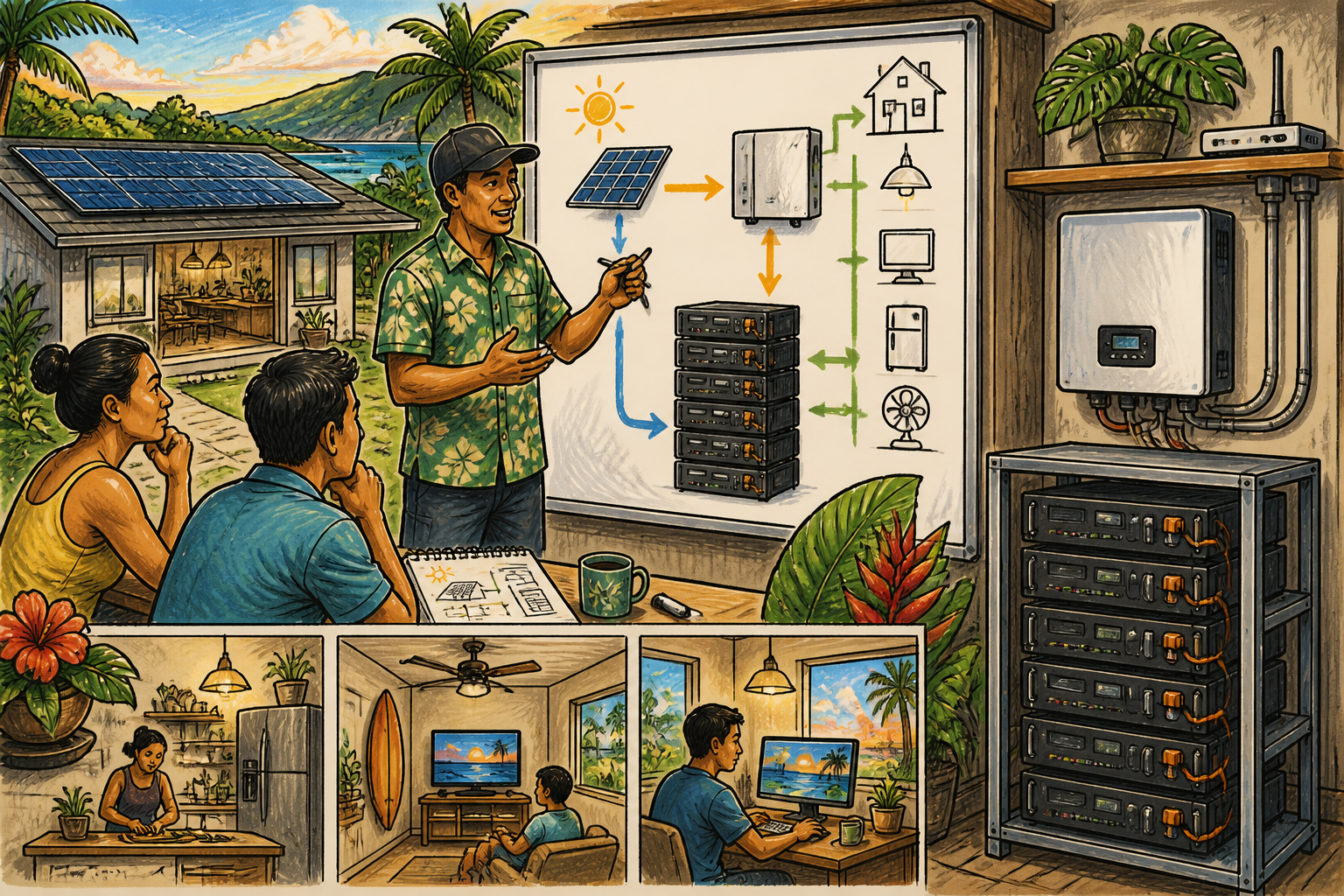
For a fully off-grid home, the Sol-Ark 15K-2P should be planned as an energy-management system rather than simply a large inverter. The battery bank, backed-up loads, solar array, operating mode, and optional generator all need to work together.
A failed OutBack Radian inverter does not always mean replacing the whole system. Doug explains how compatible PCBA and power-module service can preserve the existing battery, wiring, stacked-inverter layout, and system controls when the exact model and repair path are confirmed.
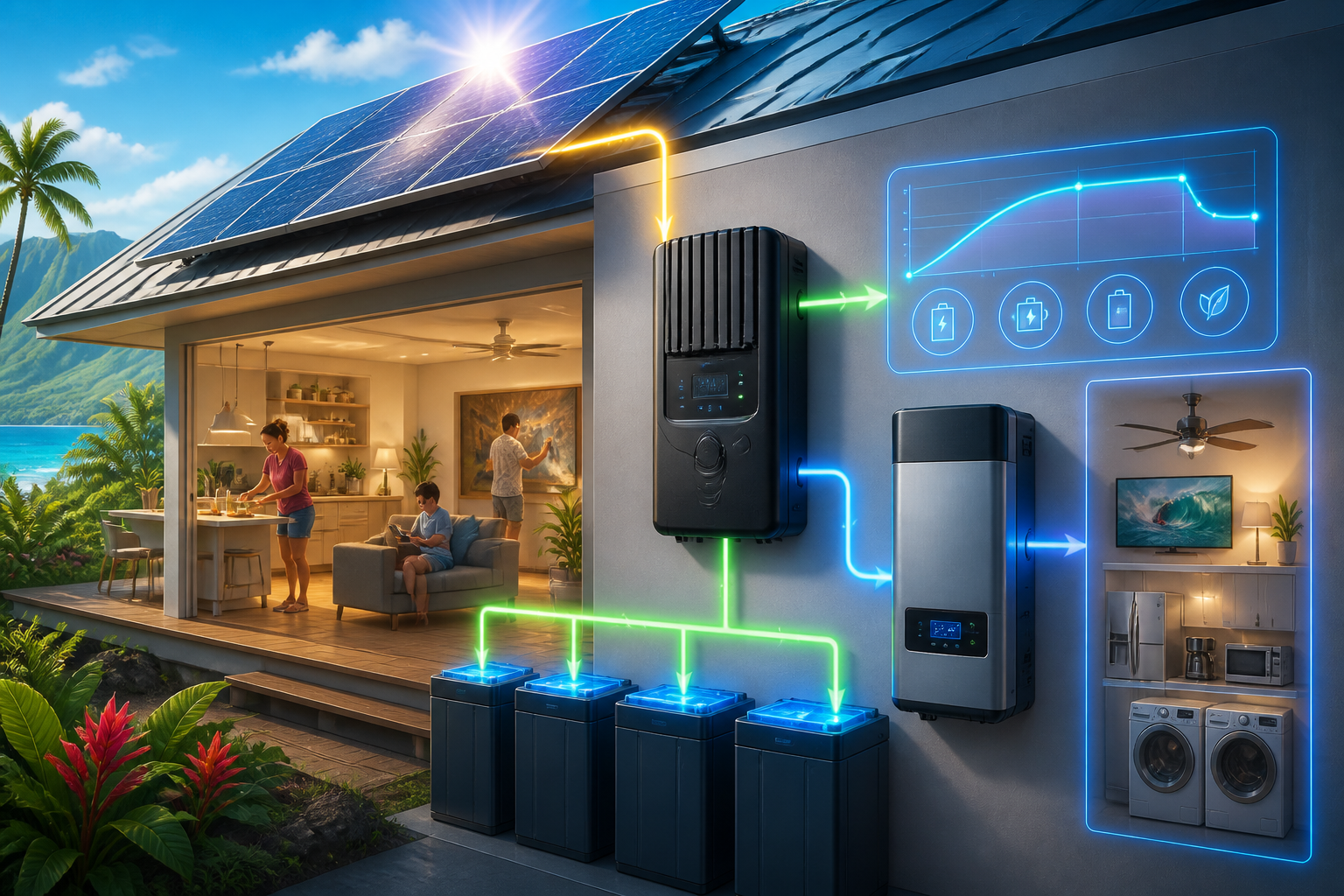
The EG4 12kPV gives a Hawaii solar-storage system a strong control center, but the value shows up during commissioning. I explain the practical order: confirm the exact battery and system plan, bring the inverter online without household loads, set the operating mode and utility profile, verify the readings, and only then connect the backed-up loads.
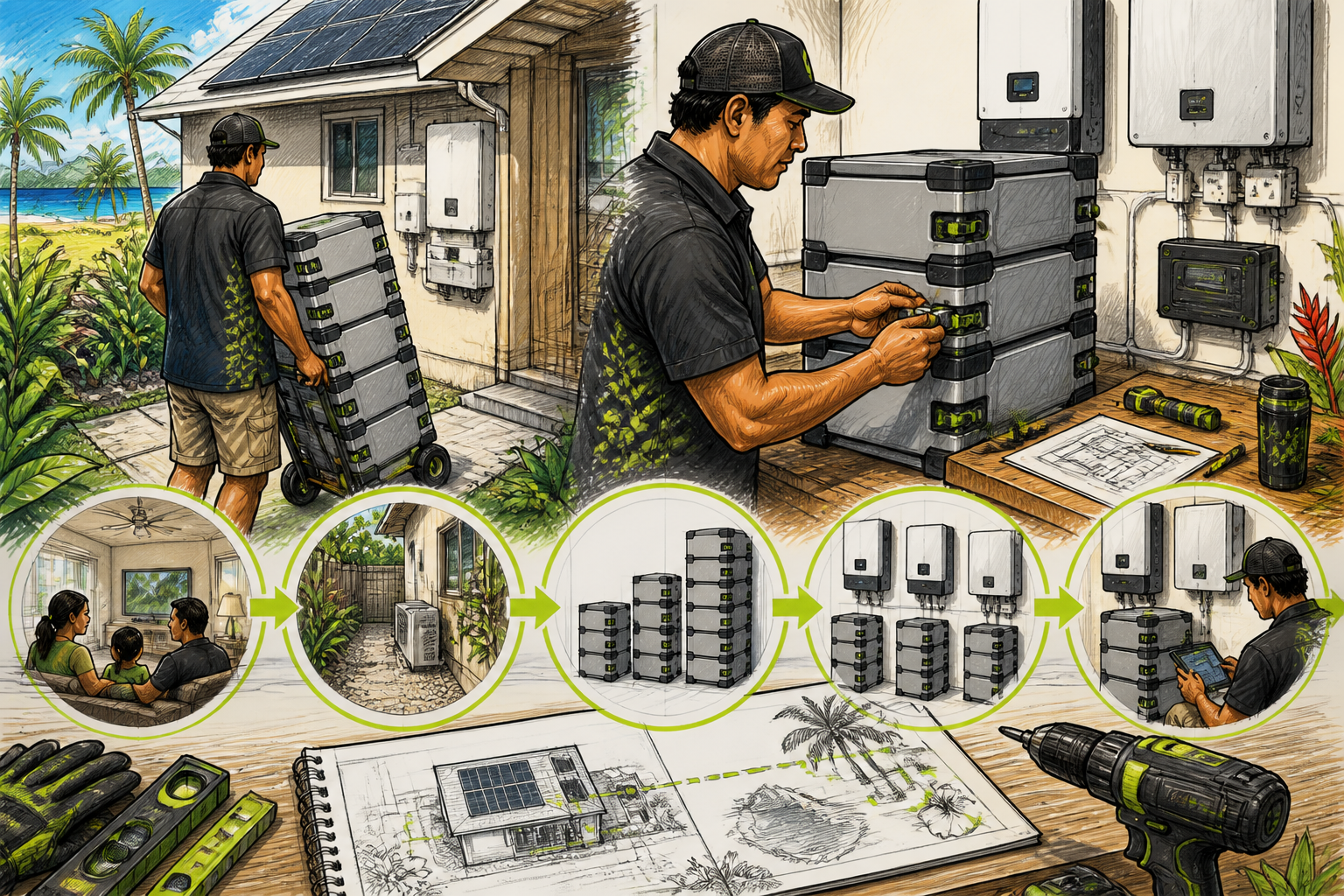
Doug explains why the Pytes Pi LV1 is useful when battery capacity must fit a limited installation area. The footprint stays narrow while the stack grows upward, but height, weight, communications, inverter compatibility, and exact product documentation still matter.
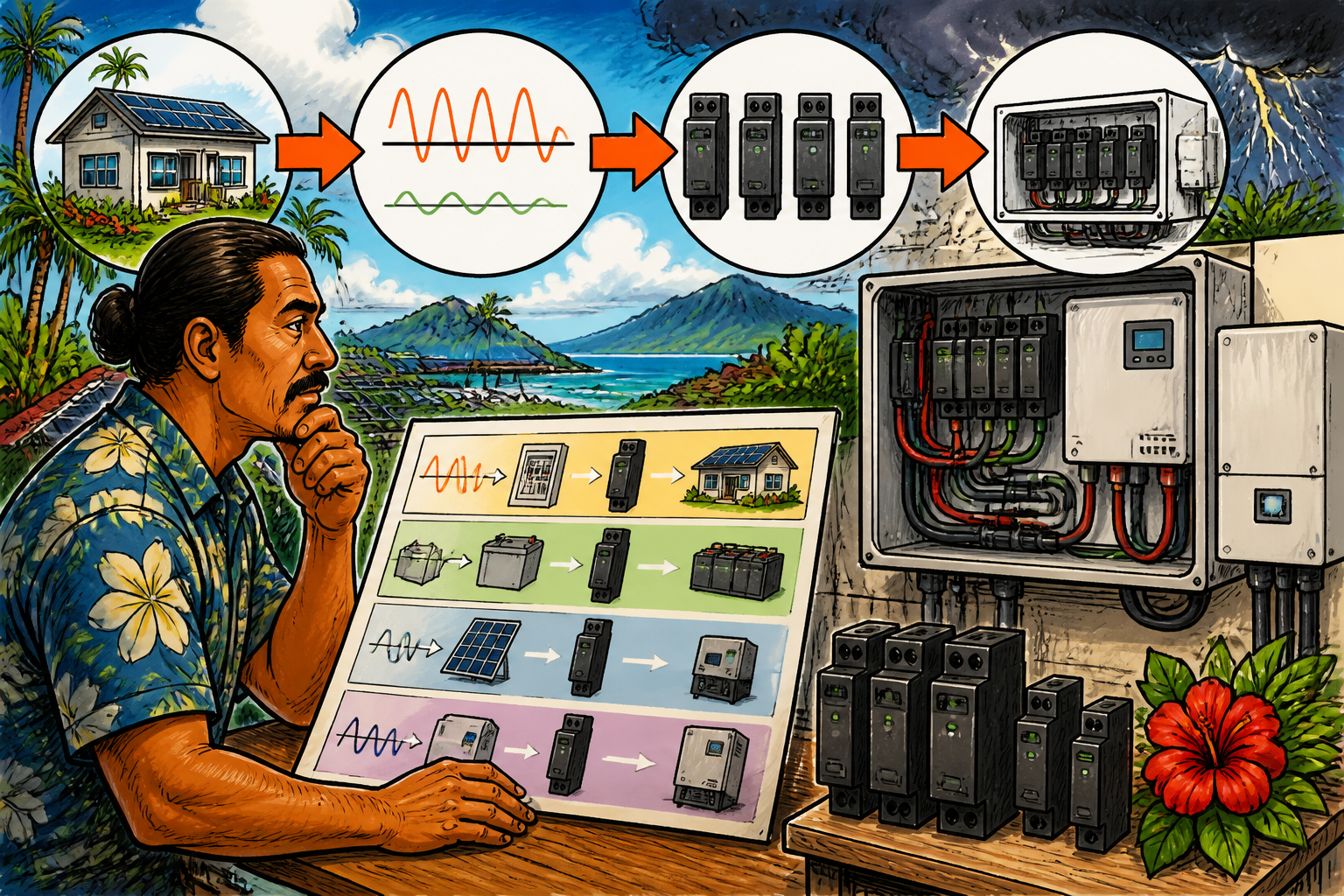
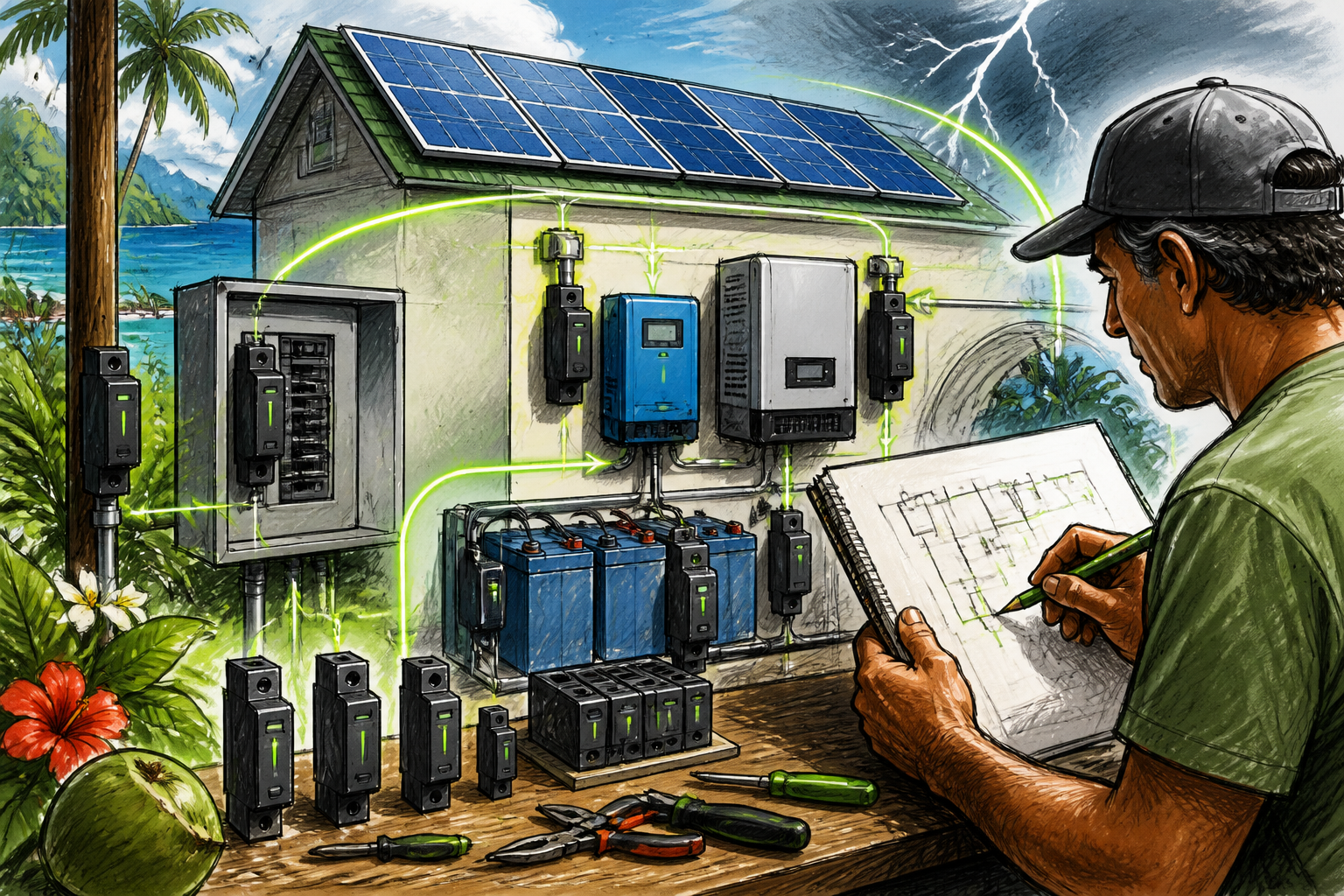
The MNSPD family becomes much easier to choose when you start with the circuit instead of the product name. This lesson explains how the MNSPD-115, MNSPD-300-AC, MNSPD-300-DC, and MNSPD-600 fit different voltage ranges and solar-system locations, with a practical example for a 120/240-volt Hawaii system.
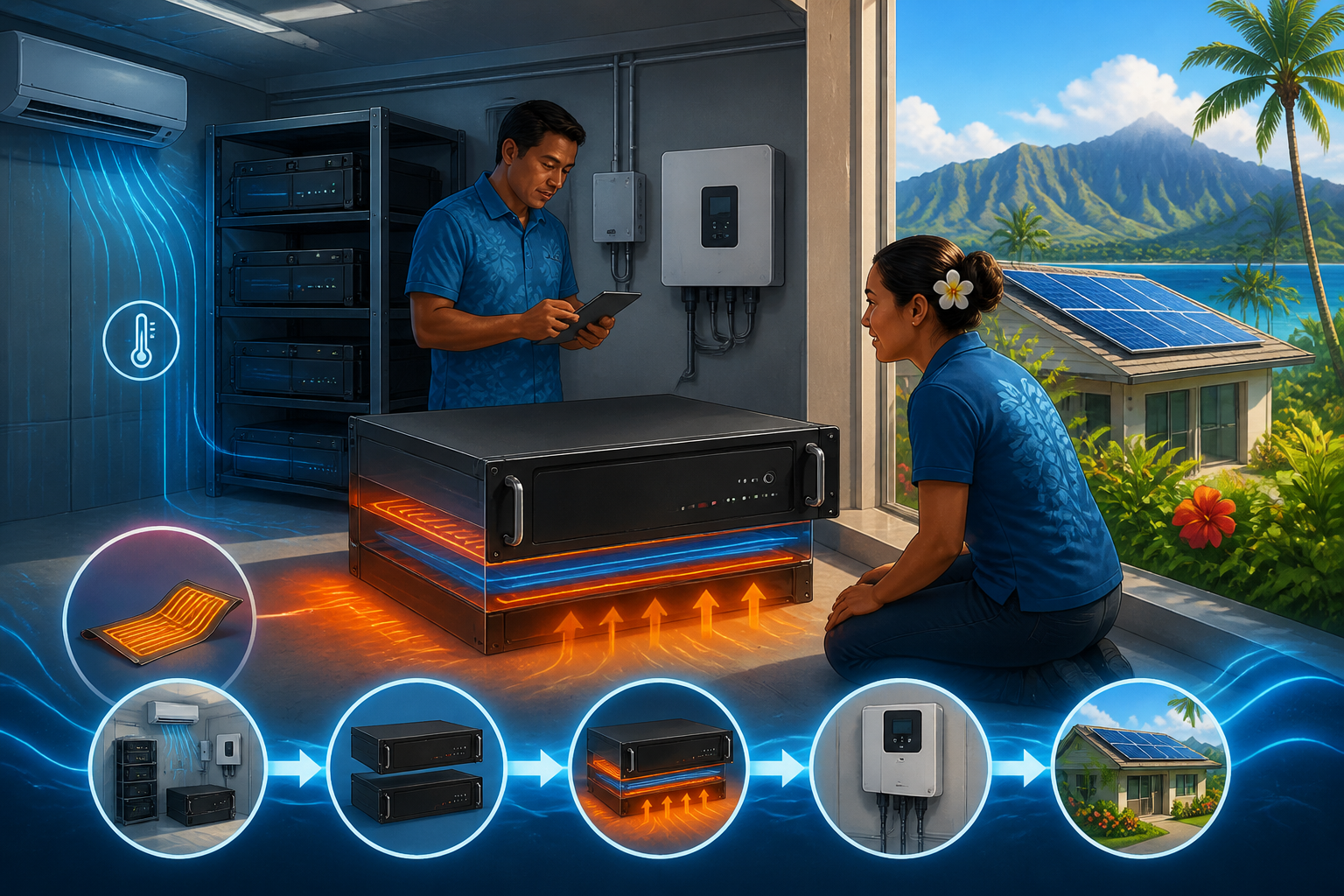
The Pytes V5 is more than a 5.12 kWh battery module. Its IP20 enclosure, temperature limits, and heating function shape where it belongs and how it should be commissioned. I explain what that means for a practical Hawaii battery room.
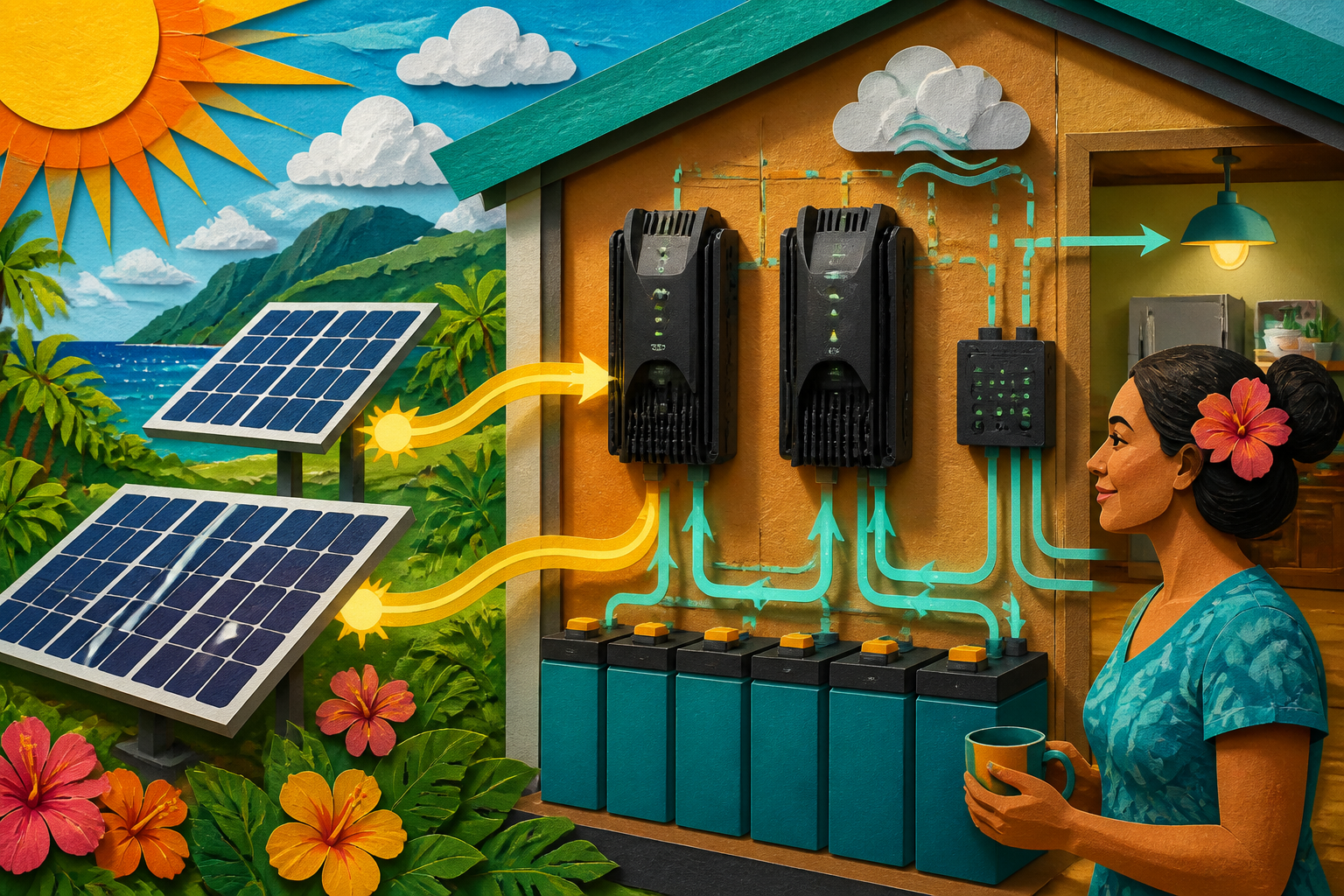
The Classic 150 becomes especially useful when a Hawaii system has more than one solar section. Each controller tracks its own PV array, while MidNite’s Follow-Me network coordinates the charging process so the battery bank is treated as one system rather than several unrelated chargers.
A practical customer lesson on how the SimpliPHI 6.6 can fit more installation layouts than a conventional wired battery bank, and what still needs to be matched before installation.
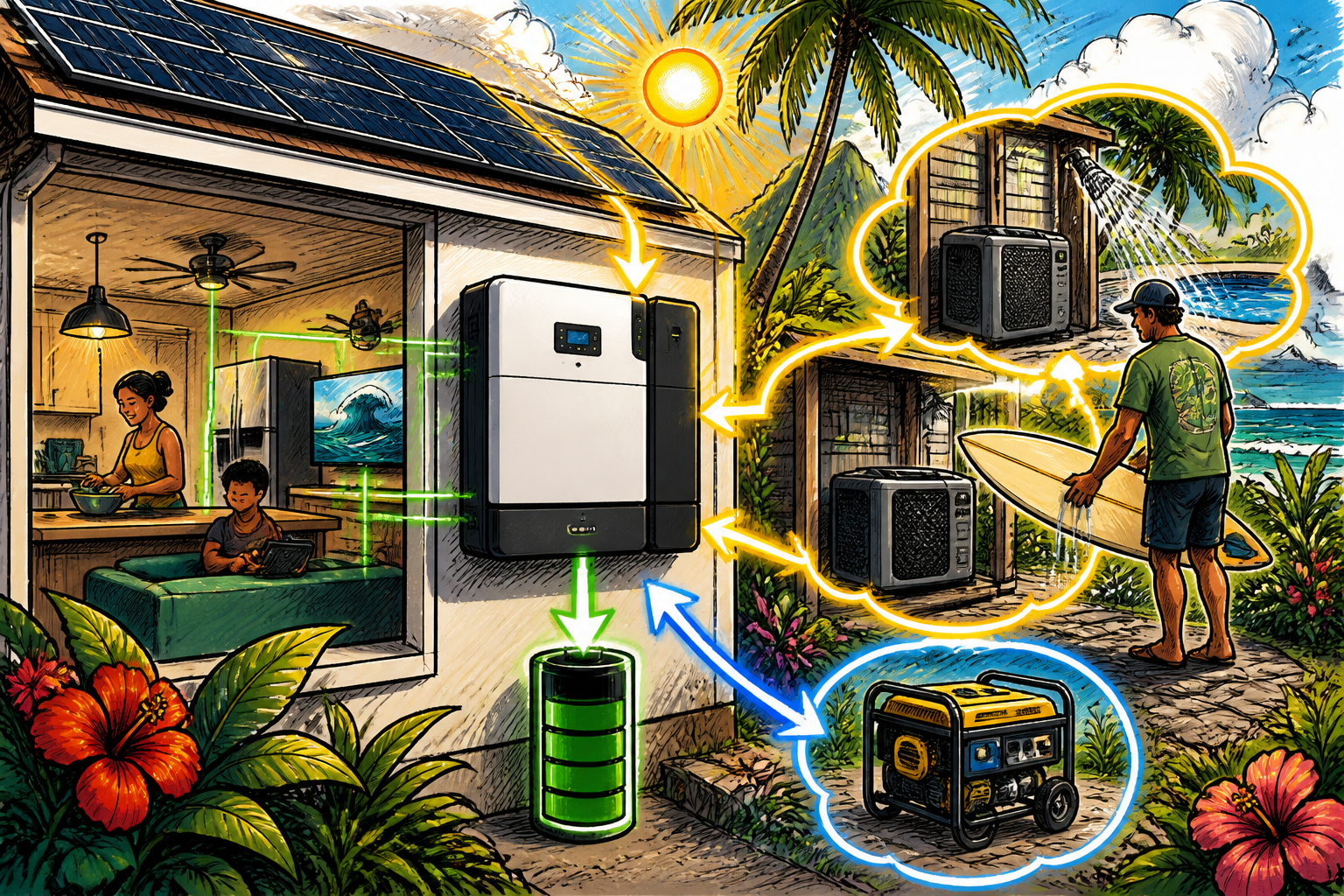
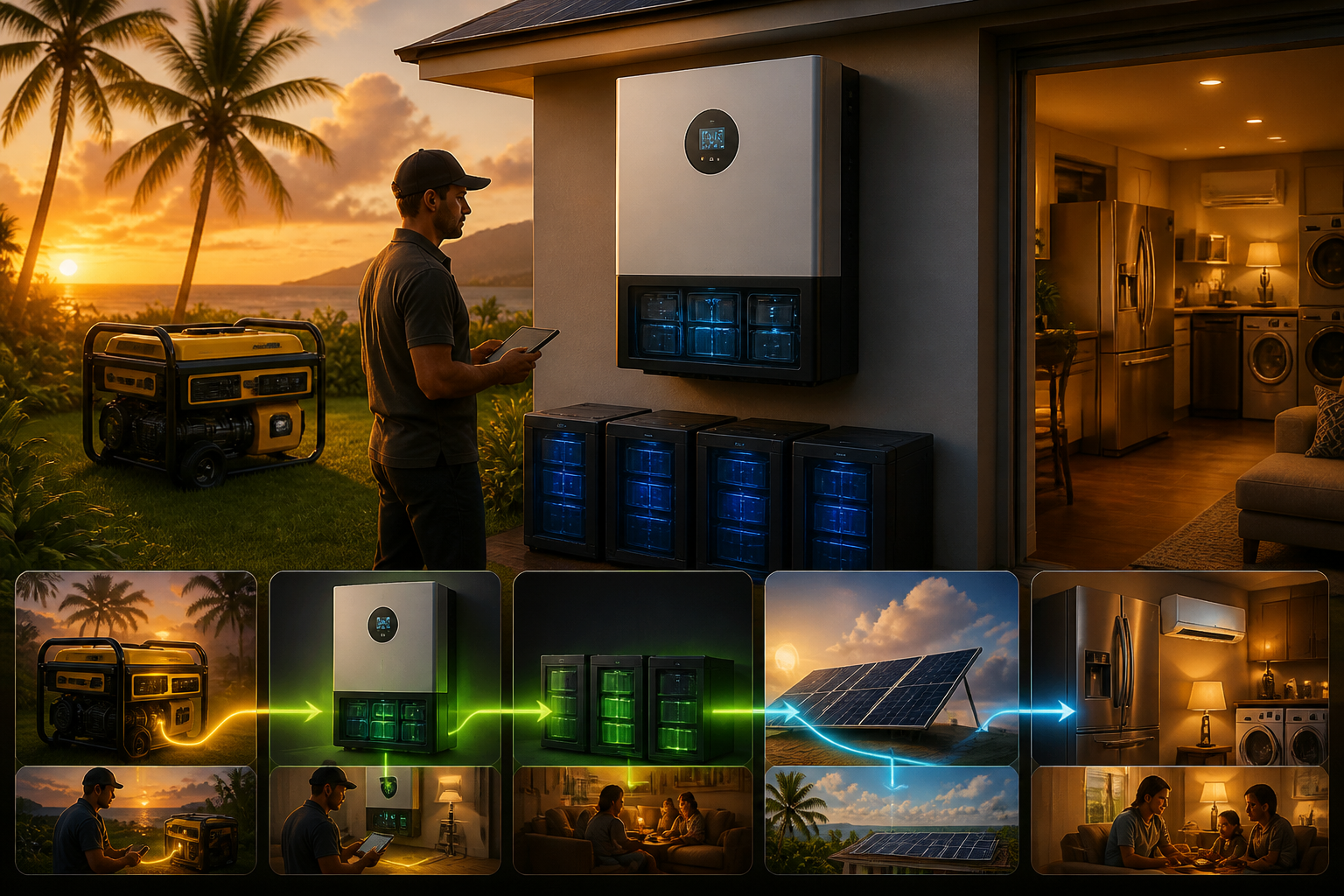
The EG4 18kPV can do more than switch to a generator. With a compatible 120/240-volt generator and Generator Boost enabled, it can use generator power as the foundation while battery and solar help cover loads when demand rises. That makes generator backup more practical, but only when the generator, battery bank, settings, and communications are designed together.
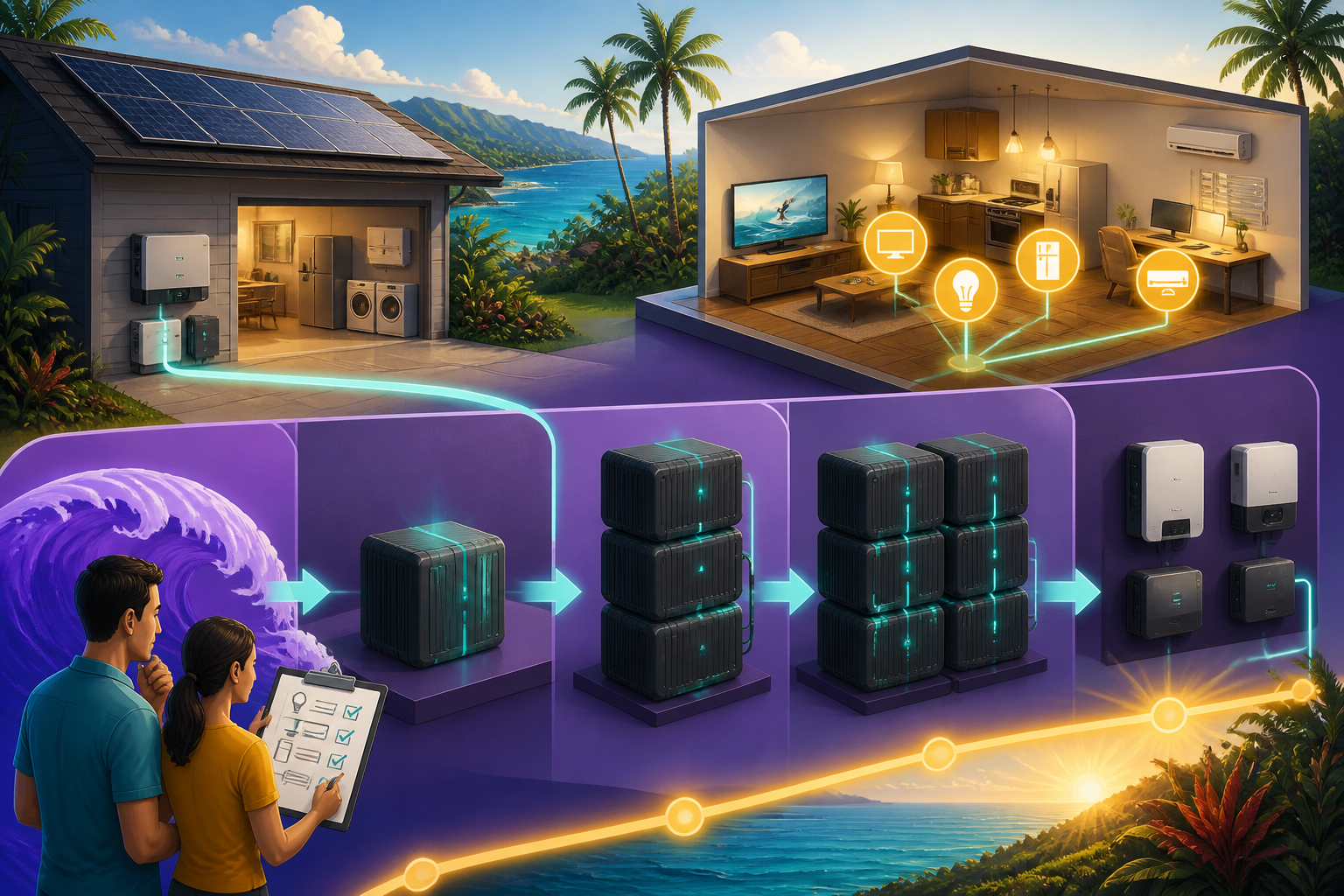
The SimpliPHI 6.6 gives a Hawaii battery system a practical starting point: choose the number of batteries around real loads today, then leave room for expansion as your energy plan develops.
The Fortress Power eBoost gives a Hawaii customer a strong 16kWh starting point, but the right battery count depends on both how long the loads must run and how much power the inverter must deliver at once.
The EG4 12kPV gives a Hawaii solar system useful design room: it can utilize up to 12 kW of DC solar input while EG4 recommends up to a 15 kW array. Doug explains why that extra panel capacity can help in less-than-perfect conditions, how the two MPPT channels divide the design, and why exact voltage and current checks still matter.
The Fortress Power Solo 6.5K can deliver 6,500 watts of rated output, but the battery bank determines how comfortably and how long the system can support real loads. Here’s how I explain that relationship to customers.
The Pytes Pi LV1 is more than a stack of battery modules. Its BMUs, BCU, communication settings, and compatible inverter must work together so the system can report battery condition and manage charging and discharging properly.
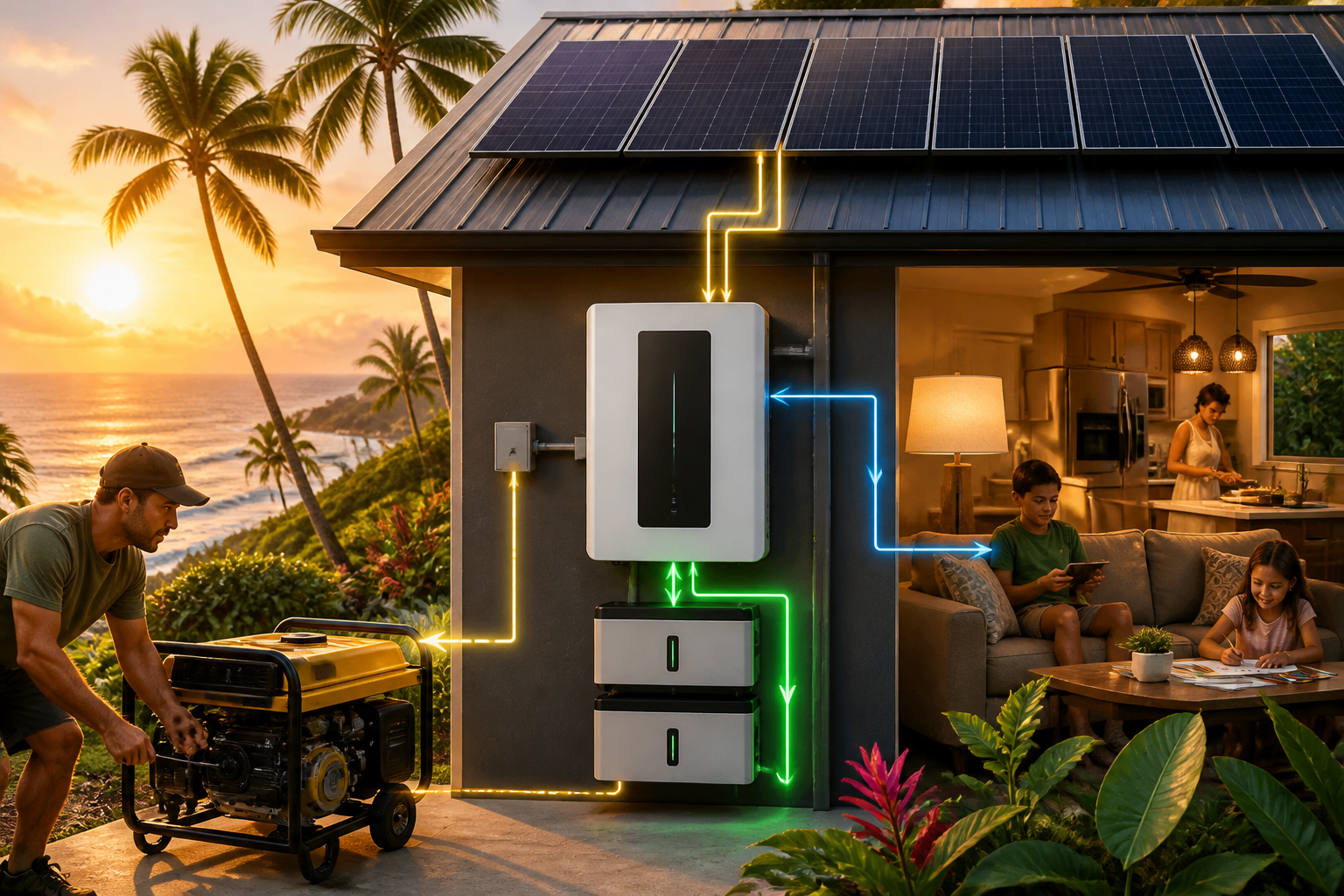
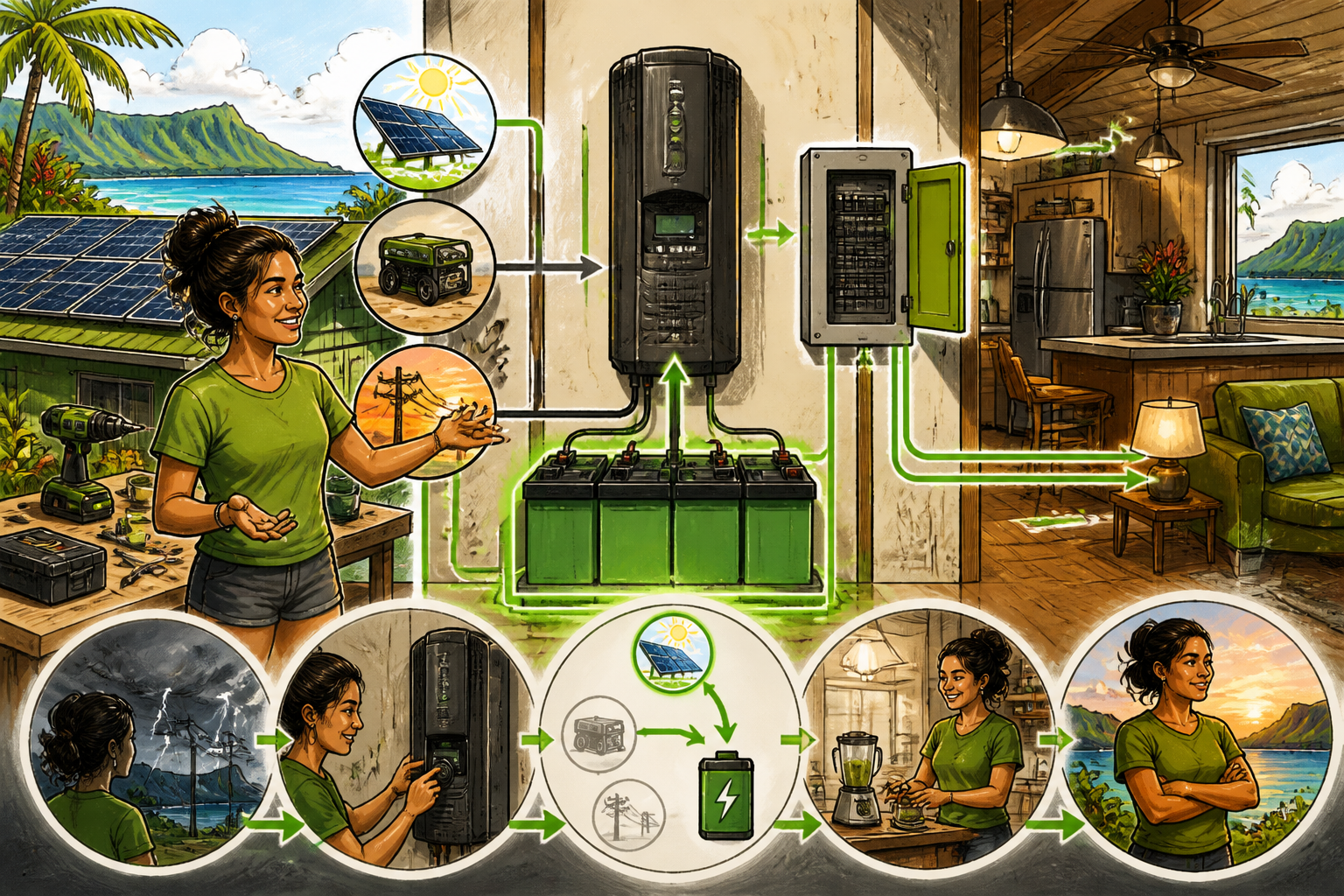
The Fortress Power Envy Duo 21 can make a backup generator part of a coordinated energy system instead of treating it as a separate emergency appliance. This lesson explains the generator port, automatic start and stop conditions, load support, battery charging, Gen Boost, AC-coupling limits, and the design checks that matter before installation.
The EG4 FlexBOSS18 is more than a 13 kW inverter. It can operate as a standalone hybrid inverter, but its system value becomes clearer when you look at how it coordinates solar, batteries, the grid, monitoring, and optional GridBOSS equipment. This customer lesson explains what I like about that architecture and when it fits.
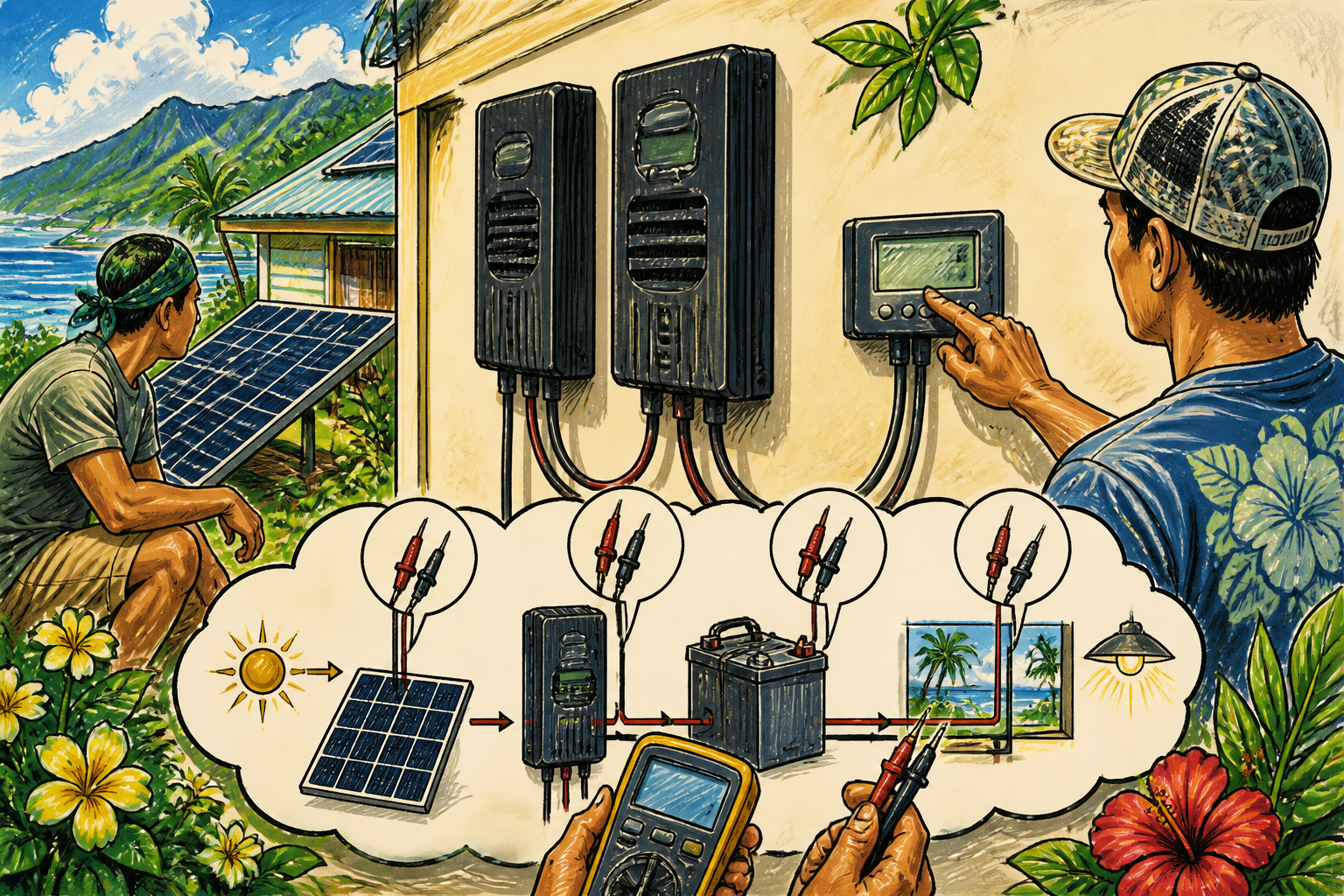
A FLEXmax 60 or FLEXmax 80 makes charging decisions from the battery voltage it measures. Doug explains how calibration can correct a controller reading or compensate for a repeatable difference, why it cannot repair damaged wiring, and how a careful system check can make an older OutBack installation easier to trust.
I like the Classic 150 because it gives an older or custom off-grid system useful information at the controller instead of forcing you to guess from battery voltage alone. With the optional Whizbang Jr and a properly installed shunt, the Classic can track current flowing into and out of the battery, estimate state of charge, and use that information for charging decisions or a compatible two-wire generator start circuit.
I like the EG4 6000XP for customers who want a practical off-grid starting point without closing the door on future expansion. One unit provides 6 kW of 120/240V output. Properly designed parallel systems can add more inverter capacity, but the battery bank, solar array, distribution equipment, communications, and commissioning plan must grow with it.
A MidNite MNSPD can protect an important circuit, but one device does not automatically cover every path into a solar system. The practical decision is to map the AC and DC conductors, select the correct MNSPD voltage and circuit type, and place each device close to the equipment or panel it is protecting.
The EG4 LL 24V 200Ah gives a compatible 24-volt system 5.12 kWh of nameplate storage in a rack-mounted battery. Doug explains what parallel expansion changes, what it does not change, why closed-loop BMS communication matters, and what to check before adding a battery.
The Hawke’s Bay is a 48-volt maximum power point tracking charge controller with a published 185–585V tracking window, a 220V minimum open-circuit-voltage requirement, and a 600V maximum PV input. MidNite’s current Rev. A manual uses a different 185–550V tracking figure, so the exact unit documentation and revision must control the final string design.
The Pytes V5 is a 51.2-volt, 100Ah lithium iron phosphate battery with 5.12 kWh of nominal energy. I like it because it gives us a clear modular starting point, but the battery bank still has to be matched to inverter power, load demand, communication requirements, and the actual installation location.
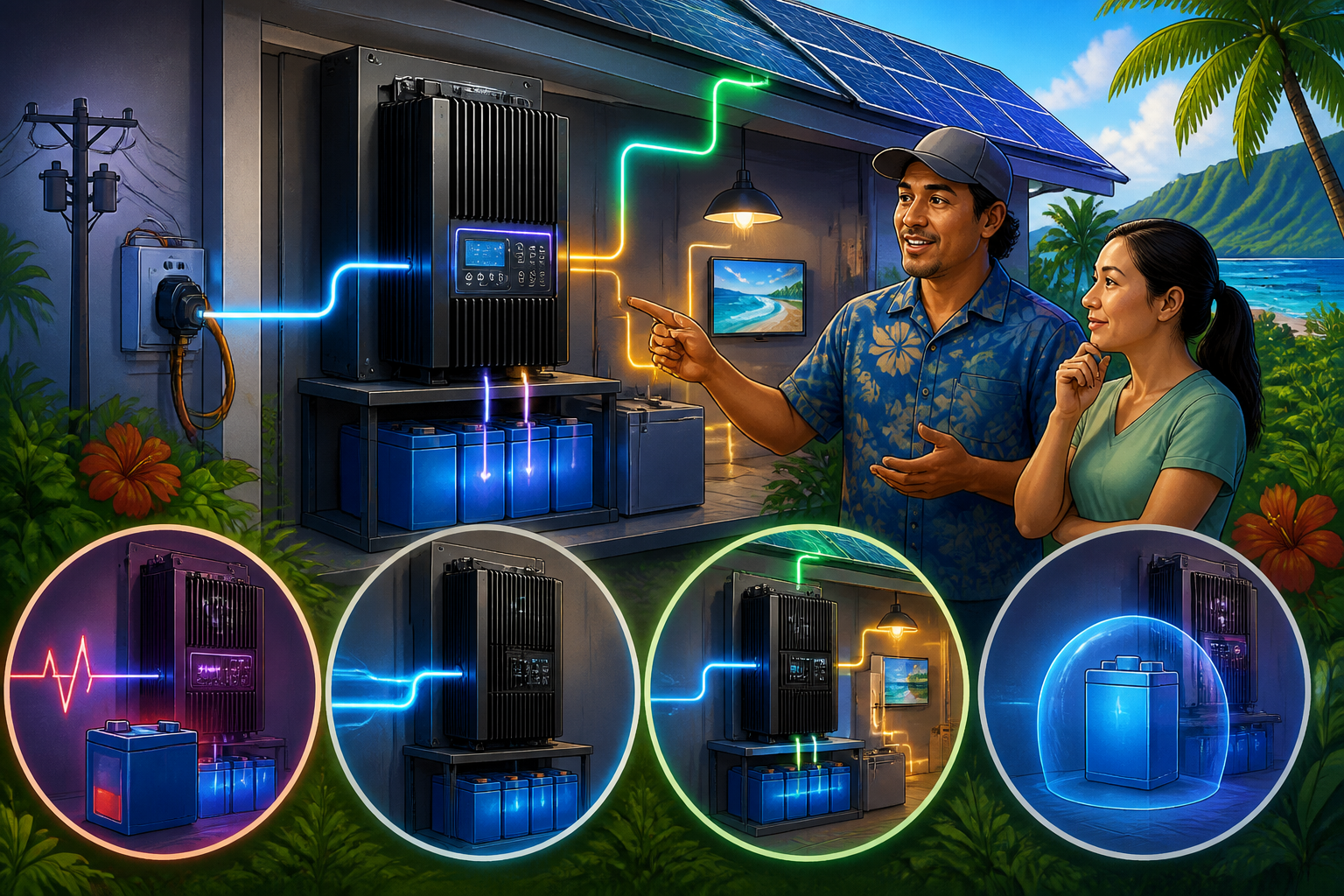
A low battery or lithium battery-management-system disconnect can make a backup system look dead. The MidNite Little Rosie MNLR4548RE gives a qualified installer specific recovery modes, AC charging, and monitoring tools to bring a compatible 48-volt system back toward normal operation.
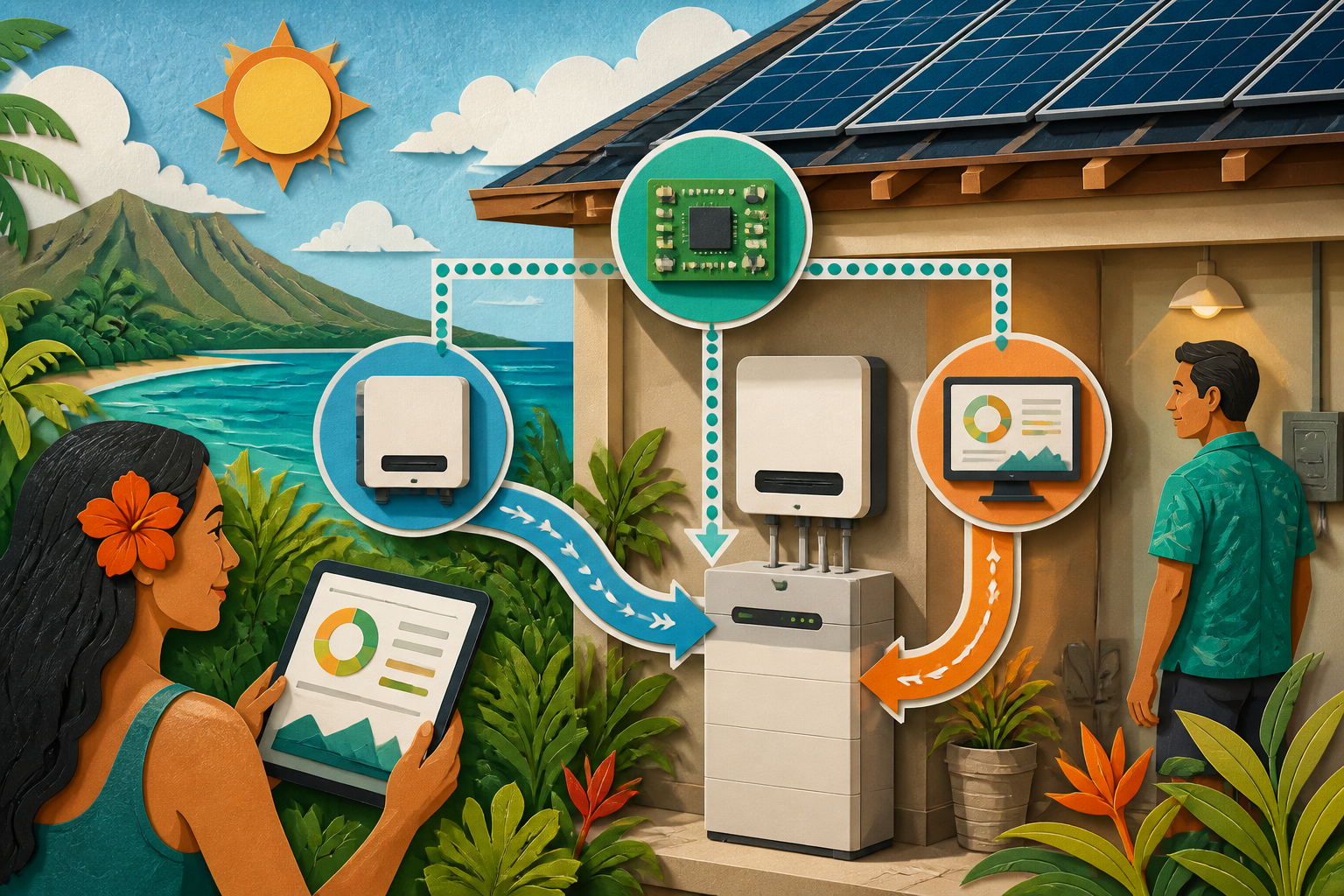
The SimpliPHI 6.6 combines modular battery storage with a controller, supported closed-loop inverter communication, and EnergyTrak monitoring. Understanding what each part does helps you choose the right inverter, battery quantity, and support plan.
The Rosie 7048 RE is more than a large battery inverter. Its stationary 120/240-volt design, 7,000-watt pure-sine output, 120-amp charger, and optional E-Panel give a Hawaii customer a practical foundation for home-sized backup or off-grid power.
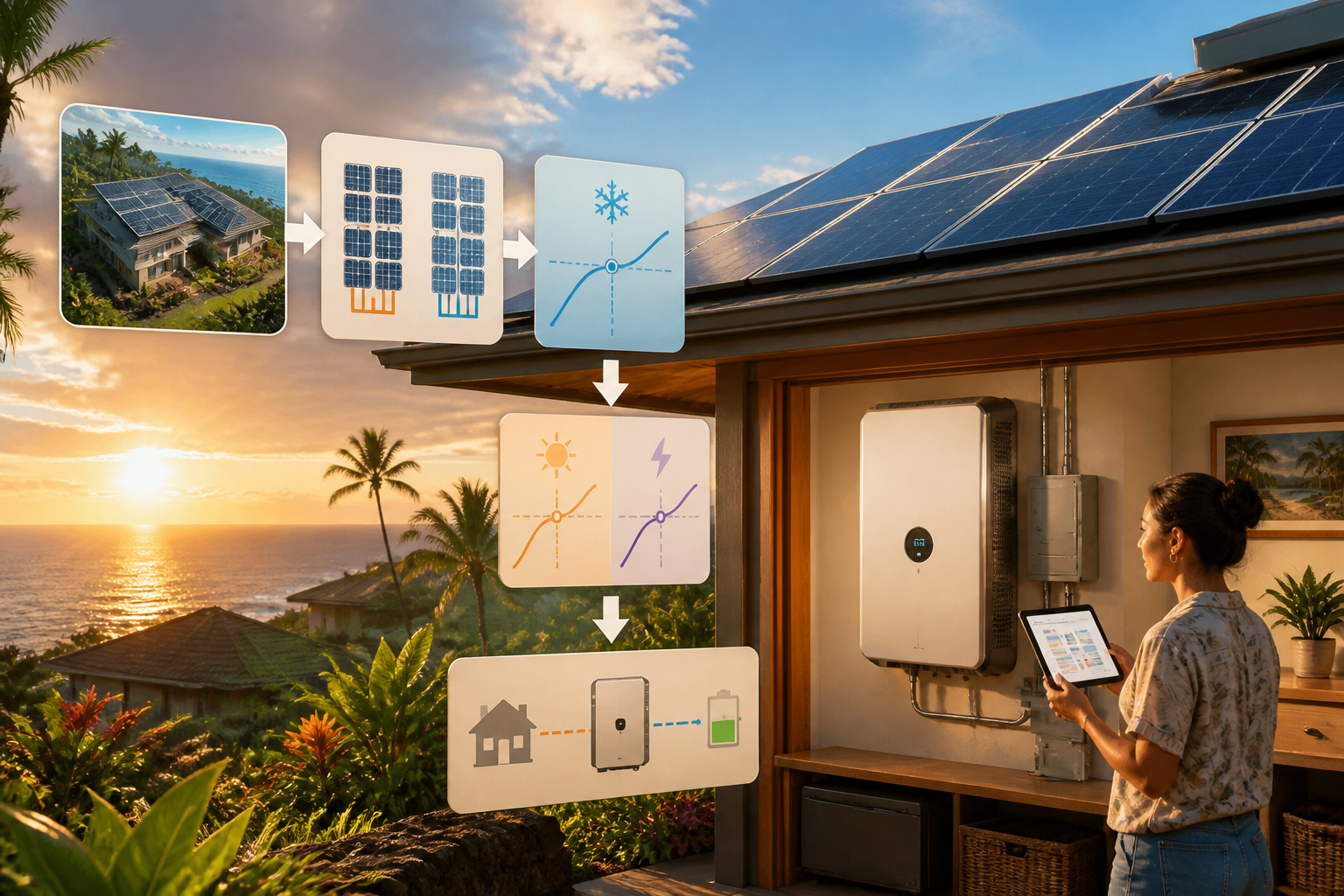
The Solo 6.5K offers two independent MPPT channels and 10 kW of listed PV input, but a dependable design still requires cold-corrected string-voltage checks, separate current comparisons, and careful reading of conflicting current limits in the current Fortress documentation.
The Pytes V16 offers substantial 51.2-volt storage, but its real system value appears when the battery and inverter communicate correctly. This customer lesson explains closed-loop communication, battery-profile matching, commissioning checks, and where the V16 fits in a Hawaii backup or off-grid system.
A single EG4 FlexBOSS21 can be a strong starting point, but its parallel capability is most valuable when the expansion path is planned early. Doug explains how output, batteries, solar input, current limits, communications, GridBOSS, and commissioning change when a system grows from one inverter to two.
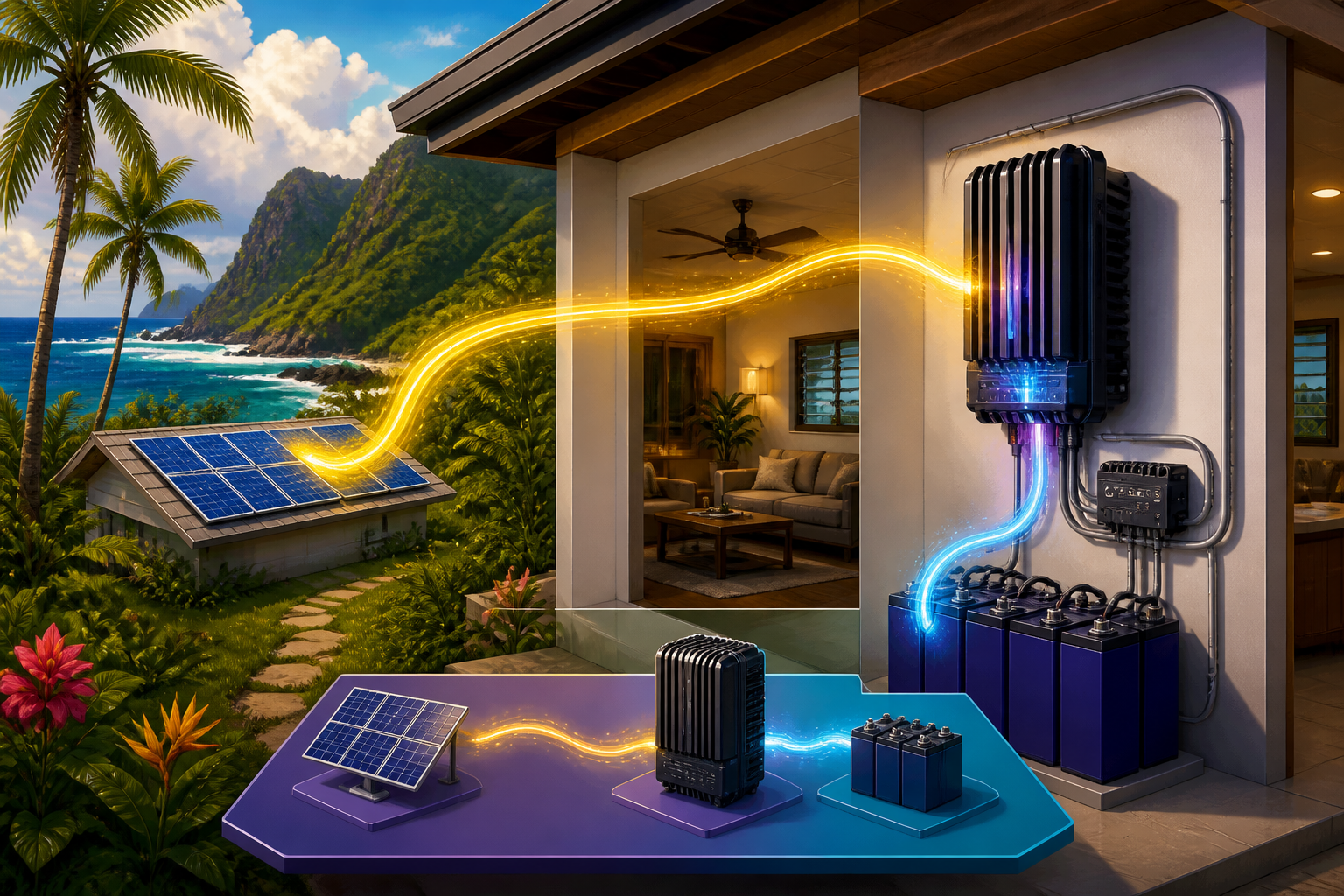
The Barcelona turns a high-voltage photovoltaic array into controlled charging for a properly sized 48-volt battery bank. Its two independent MPPT channels, adjustable current limits, battery-specific settings, and MNGP2 interface make it especially interesting for larger MidNite systems.
The Fortress Power eVault MAX 18.5kWh gives a Hawaii customer a substantial 51.2-volt battery platform, but the best design starts by separating how long the battery can run loads from how much power the inverter can deliver at one time.
The EG4 LL-S is more than a 5.12 kWh storage module. Its 51.2-volt platform and current limits help determine how many batteries a compatible inverter system needs for practical battery-only power.
The Hyundai HiS-T640NJ can reduce the number of modules needed for a large solar array, but its nearly 58-volt open-circuit voltage and large physical size must be checked against the inverter, roof, racking, and handling plan. This article walks through the practical design decisions.
A practical customer lesson on comparing solar panels fairly. The Hyundai HiC-T640NJ brings 640 watts of front-side nameplate power, 22.9% module efficiency, bifacial capability, a 15-year product warranty, and a 30-year performance warranty. Doug explains what those numbers mean—and what they do not mean—before inviting customers to request a system match and current quote.
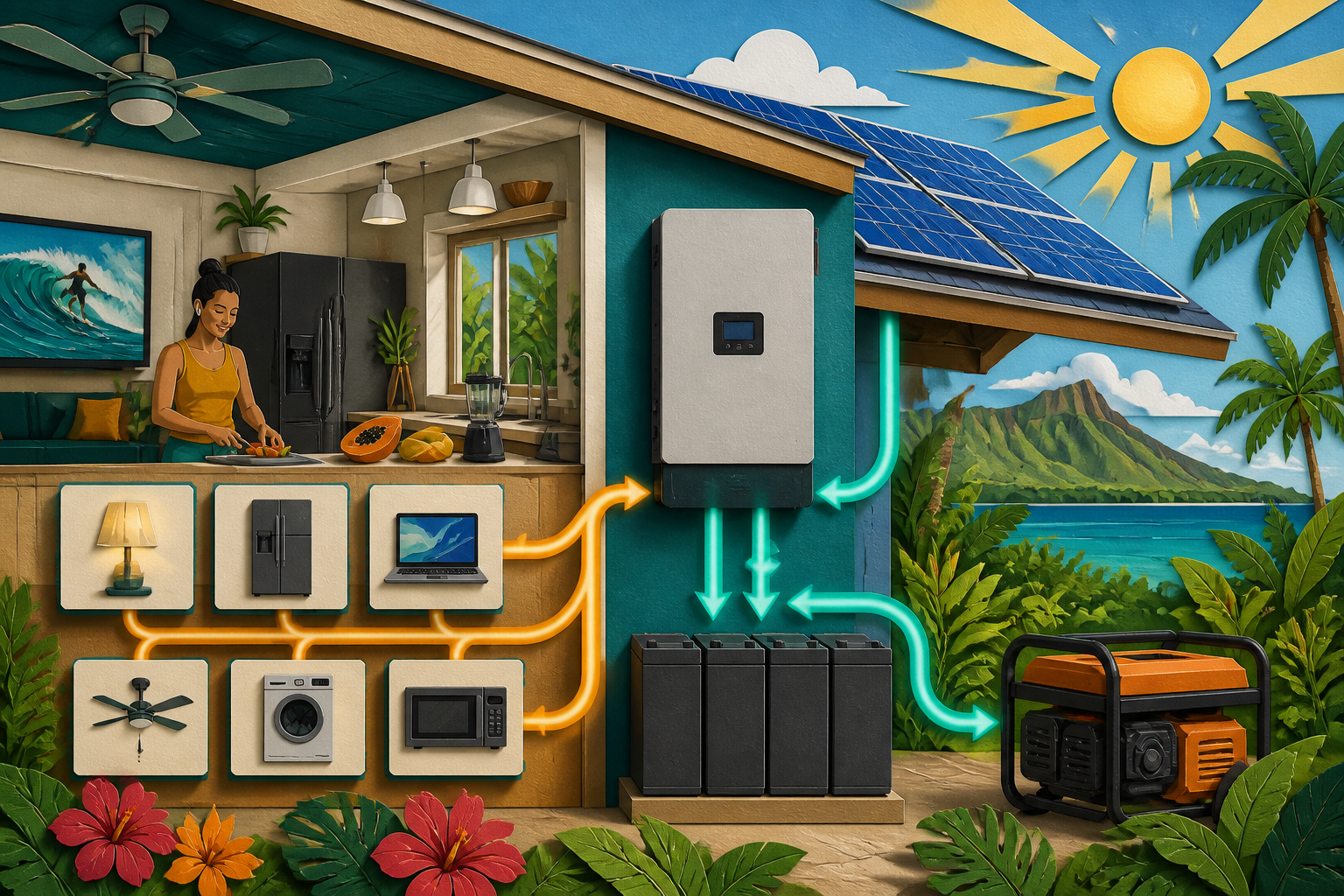
The MidNite Rosie 7048 is more than an inverter. I like it as the control center for a 48-volt off-grid system because it can run 120/240-volt loads, accept generator power, charge the battery bank, and coordinate automatic generator-start functions. This lesson explains where that combination helps and what I check before recommending it.
Off-grid inverter/charger and generator integrationRead the lesson →
The EG4 6000XP gives an off-grid system a practical backup path: solar and batteries handle normal operation, while a compatible 120/240-volt generator can charge the battery and support loads when programmed battery conditions call for help.
I like the MidNite Barcelona when a larger 48-volt battery system needs a serious solar charger and the array naturally falls into two separate sections. Its independent MPPT channels let each PV input track its own operating point, while the high-voltage input range can make larger arrays easier to organize. The right design still depends on the actual panel electrical values, temperature, battery bank, and system layout.
The Pytes V5 gives a Hawaii solar customer a practical starting point: 5.12 kWh per battery, parallel expansion, CAN and RS485 communications, and rack or cabinet installation options. The right number of batteries depends on loads, inverter limits, location, and the exact V5 revision being supplied.
A customer lesson on choosing and maintaining MidNite MNSPD surge protection, with practical model examples for batteries, PV inputs, inverter circuits, and 120/240-volt AC systems.
The Sol-Ark 15K-2P gives a whole-home system more than a large inverter rating. Its Smart Load function lets the system separate one flexible circuit from priority household power, which can make battery-backed living more practical in Hawaii.
The MidNite Little Rosie RE is a compact 120-volt inverter/charger for stationary 48-volt systems. Doug explains where it fits, how it differs from the mobile model, and why its E-Panel and battery integration make system planning more practical.
I like the EG4 LL-S because it gives a Hawaii customer a practical 48-volt starting point without closing the door on a larger battery bank later. Its built-in monitoring, rack format, and communication options are valuable when the system needs to grow carefully.
I like the Pytes V16 when a Hawaii customer needs a substantial 51.2-volt battery that can live outdoors, support meaningful household loads, and grow into a larger storage bank. The important planning lesson is to separate energy capacity from power output: the V16 stores about 16 kWh, while its recommended continuous discharge level is 7.68 kW and its maximum continuous discharge rating is 10.24 kW.
The EG4 FlexBOSS21 is a strong whole-home backup candidate when the system is planned around both inverter power and battery energy. I explain why I use its 12 kW battery-only rating as the grid-down baseline, how the 600 Ah recommendation affects battery planning, and where GridBOSS adds generator, smart-load, and AC-coupling options.
Doug explains how the Fortress Power eVault MAX 18.5kWh works as a large 51.2-volt battery building block, why parallel expansion adds capacity without raising system voltage, and why inverter compatibility, communication, indoor placement, and commissioning matter.
The Hawke's Bay 90 and 120 share the same 600-volt solar-input platform and 48-volt battery architecture. The practical choice is usually how much charging current your battery bank and system plan can use.
The EG4 LL 24V 200Ah gives you a clear 5.12 kWh storage block, useful built-in monitoring, and room to expand. I explain how I turn that nameplate into a realistic load plan and where a 24V battery bank fits best.
Doug explains why the MidNite Classic 150 remains useful when an older off-grid system needs a capable charge controller that is easier to monitor, troubleshoot, and match to different battery banks.